Every night, the sky becomes a giant classroom filled with mysteries waiting to be explored. Among the countless stars are planets—large worlds that orbit the Sun and each have their own unique characteristics. Some are rocky, some are made mostly of gas, and some are famous for features such as rings, storms, or extreme temperatures.
Space has fascinated people for generations, and learning about planets is often one of the first steps into astronomy. Students encounter these names in science lessons, quizzes, educational videos, and general knowledge activities, making them an important part of academic vocabulary.
This post introduces the names of the planets in Kannada, helping learners connect scientific concepts with useful language skills.
Why Learning Planet Names in Kannada Matters
Planet names are commonly used in science education and often appear in textbooks, classroom discussions, projects, and competitive exams. Learning these terms in Kannada helps students understand space-related topics more confidently.
Unlike everyday vocabulary, planet names introduce learners to scientific thinking. They encourage curiosity about the universe, space missions, astronomy, and the natural laws that govern our solar system.
Learning planet names can also make it easier to understand related topics such as moons, asteroids, galaxies, stars, and satellites. These words act as building blocks for a wider science vocabulary.
Benefits of Learning Kannada Planet Names
- Builds useful science-related vocabulary.
- Helps learners understand astronomy concepts.
- Supports reading and speaking activities.
- Improves pronunciation and word recognition.
- Makes science lessons easier to follow.
- Encourages curiosity about space exploration.
- Supports classroom projects and worksheets.
- Expands academic vocabulary.
- Helps learners understand the solar system.
- Creates opportunities for subject-based learning.
- Makes science topics more engaging.
- Strengthens memory through visual learning.
Since planets are usually taught in a fixed order, learners can develop strong memory associations while studying them.
A Tour of the Solar System in Kannada
Each planet in our solar system has its own place, appearance, and story. The list below includes the major planets along with their Kannada names, helping learners become familiar with important astronomy-related vocabulary.

Mercury
ಬುಧ
Syllable: ಬು-ಧ
Pronunciation: Budha
- Mercury is the closest planet to the Sun. – ಬುಧ ಸೂರ್ಯನಿಗೆ ಅತಿ ಸಮೀಪದ ಗ್ರಹವಾಗಿದೆ.
- Mercury is very hot during the day. – ಹಗಲಿನಲ್ಲಿ ಬುಧ ಬಹಳ ಬಿಸಿಯಾಗಿರುತ್ತದೆ.
- Mercury moves quickly around the Sun. – ಬುಧ ಸೂರ್ಯನ ಸುತ್ತ ವೇಗವಾಗಿ ಸಂಚರಿಸುತ್ತದೆ.

Venus
ಶುಕ್ರ
Syllable: ಶು-ಕ್ರ
Pronunciation: Shukra
- Venus is the brightest planet in the sky. – ಶುಕ್ರ ಆಕಾಶದಲ್ಲಿ ಅತ್ಯಂತ ಪ್ರಕಾಶಮಾನವಾದ ಗ್ರಹವಾಗಿದೆ.
- Venus is often called Earth\’s twin. – ಶುಕ್ರನನ್ನು ಭೂಮಿಯ ಜೋಡಿ ಗ್ರಹ ಎಂದು ಕರೆಯುತ್ತಾರೆ.
- Venus has a thick atmosphere. – ಶುಕ್ರನಿಗೆ ದಟ್ಟವಾದ ವಾತಾವರಣವಿದೆ.

Earth
ಭೂಮಿ
Syllable: ಭೂ-ಮಿ
Pronunciation: Bhoomi
- Earth is our home planet. – ಭೂಮಿ ನಮ್ಮ ನಿವಾಸ ಗ್ರಹವಾಗಿದೆ.
- Life exists on Earth. – ಭೂಮಿಯಲ್ಲಿ ಜೀವವಿದೆ.
- Earth revolves around the Sun. – ಭೂಮಿ ಸೂರ್ಯನ ಸುತ್ತ ಸುತ್ತುತ್ತದೆ.

Mars
ಮಂಗಳ
Syllable: ಮಂ-ಗ-ಳ
Pronunciation: Mangala
- Mars is known as the Red Planet. – ಮಂಗಳವನ್ನು ಕೆಂಪು ಗ್ರಹ ಎಂದು ಕರೆಯುತ್ತಾರೆ.
- Scientists study Mars carefully. – ವಿಜ್ಞಾನಿಗಳು ಮಂಗಳವನ್ನು ಗಮನದಿಂದ ಅಧ್ಯಯನ ಮಾಡುತ್ತಾರೆ.
- Mars has large volcanoes. – ಮಂಗಳದಲ್ಲಿ ದೊಡ್ಡ ಜ್ವಾಲಾಮುಖಿಗಳಿವೆ.

Jupiter
ಗುರು
Syllable: ಗು-ರು
Pronunciation: Guru
- Jupiter is the largest planet. – ಗುರು ಅತಿ ದೊಡ್ಡ ಗ್ರಹವಾಗಿದೆ.
- Jupiter has many moons. – ಗುರುಗೆ ಅನೇಕ ಉಪಗ್ರಹಗಳಿವೆ.
- The Great Red Spot is on Jupiter. – ಗುರುವಿನ ಮೇಲೆ ಮಹಾ ಕೆಂಪು ಕಲೆ ಇದೆ.

Saturn
ಶನಿ
Syllable: ಶ-ನಿ
Pronunciation: Shani
- Saturn is famous for its rings. – ಶನಿ ತನ್ನ ಉಂಗುರಗಳಿಗಾಗಿ ಪ್ರಸಿದ್ಧವಾಗಿದೆ.
- Saturn is a gas giant. – ಶನಿ ಒಂದು ಅನಿಲ ದೈತ್ಯ ಗ್ರಹವಾಗಿದೆ.
- The rings of Saturn are beautiful. – ಶನಿಯ ಉಂಗುರಗಳು ಸುಂದರವಾಗಿವೆ.

Uranus
ಅರುಣ
Syllable: ಅ-ರು-ಣ
Pronunciation: Aruna
- Uranus rotates on its side. – ಅರುಣ ತನ್ನ ಬದಿಯಲ್ಲಿ ತಿರುಗುತ್ತದೆ.
- Uranus is very cold. – ಅರುಣ ಬಹಳ ಶೀತವಾಗಿದೆ.
- Uranus appears blue-green. – ಅರುಣ ನೀಲಿ-ಹಸಿರು ಬಣ್ಣದಲ್ಲಿ ಕಾಣುತ್ತದೆ.

Neptune
ವರುಣ
Syllable: ವ-ರು-ಣ
Pronunciation: Varuna
- Neptune is the farthest planet from the Sun. – ವರುಣ ಸೂರ್ಯನಿಂದ ಅತಿ ದೂರದ ಗ್ರಹವಾಗಿದೆ.
- Strong winds blow on Neptune. – ವರುಣದಲ್ಲಿ ಬಲವಾದ ಗಾಳಿಗಳು ಬೀಸುತ್ತವೆ.
- Neptune appears deep blue. – ವರುಣ ಗಾಢ ನೀಲಿ ಬಣ್ಣದಲ್ಲಿ ಕಾಣುತ್ತದೆ.

Pluto
ಪ್ಲೂಟೋ
Syllable: ಪ್ಲೂ-ಟೋ
Pronunciation: Pluto
- Pluto is a dwarf planet. – ಪ್ಲೂಟೋ ಒಂದು ಕುಬ್ಜ ಗ್ರಹವಾಗಿದೆ.
- Pluto is very far from Earth. – ಪ್ಲೂಟೋ ಭೂಮಿಯಿಂದ ಬಹಳ ದೂರದಲ್ಲಿದೆ.
- Scientists continue to study Pluto. – ವಿಜ್ಞಾನಿಗಳು ಪ್ಲೂಟೋವನ್ನು ಇನ್ನೂ ಅಧ್ಯಯನ ಮಾಡುತ್ತಿದ್ದಾರೆ.
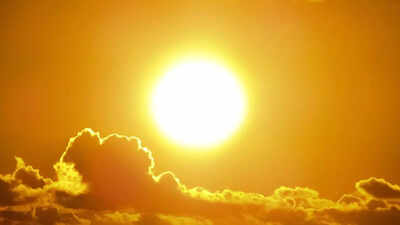
Sun
ಸೂರ್ಯ
Syllable: ಸೂ-ರ್ಯ
Pronunciation: Soorya
- The Sun gives us light and heat. – ಸೂರ್ಯ ನಮಗೆ ಬೆಳಕು ಮತ್ತು ಉಷ್ಣತೆಯನ್ನು ನೀಡುತ್ತಾನೆ.
- The Earth revolves around the Sun. – ಭೂಮಿ ಸೂರ್ಯನ ಸುತ್ತ ಸುತ್ತುತ್ತದೆ.
- The Sun is a star. – ಸೂರ್ಯ ಒಂದು ನಕ್ಷತ್ರವಾಗಿದೆ.

Moon
ಚಂದ್ರ
Syllable: ಚಂ-ದ್ರ
Pronunciation: Chandra
- The Moon shines at night. – ಚಂದ್ರನು ರಾತ್ರಿ ಹೊಳೆಯುತ್ತಾನೆ.
- The Moon revolves around Earth. – ಚಂದ್ರನು ಭೂಮಿಯ ಸುತ್ತ ಸುತ್ತುತ್ತಾನೆ.
- We can see the Moon clearly tonight. – ಇಂದು ರಾತ್ರಿ ನಾವು ಚಂದ್ರನನ್ನು ಸ್ಪಷ್ಟವಾಗಿ ನೋಡಬಹುದು.

Solar System
ಸೌರಮಂಡಲ
Syllable: ಸೌ-ರ-ಮಂ-ಡ-ಲ
Pronunciation: Souramandala
- The Solar System contains many planets. – ಸೌರಮಂಡಲದಲ್ಲಿ ಅನೇಕ ಗ್ರಹಗಳಿವೆ.
- Earth is part of the Solar System. – ಭೂಮಿ ಸೌರಮಂಡಲದ ಒಂದು ಭಾಗವಾಗಿದೆ.
- Scientists explore the Solar System. – ವಿಜ್ಞಾನಿಗಳು ಸೌರಮಂಡಲವನ್ನು ಅನ್ವೇಷಿಸುತ್ತಿದ್ದಾರೆ.

Galaxy
ಆಕಾಶಗಂಗೆ
Syllable: ಆ-ಕಾ-ಶ-ಗಂ-ಗೆ
Pronunciation: Akashagange
- Our Solar System is in a galaxy. – ನಮ್ಮ ಸೌರಮಂಡಲವು ಒಂದು ಆಕಾಶಗಂಗೆಯಲ್ಲಿ ಇದೆ.
- The Milky Way is our galaxy. – ಕ್ಷೀರಪಥವು ನಮ್ಮ ಆಕಾಶಗಂಗೆಯಾಗಿದೆ.
- Galaxies contain billions of stars. – ಆಕಾಶಗಂಗೆಗಳಲ್ಲಿ ಕೋಟ್ಯಂತರ ನಕ್ಷತ್ರಗಳಿವೆ.
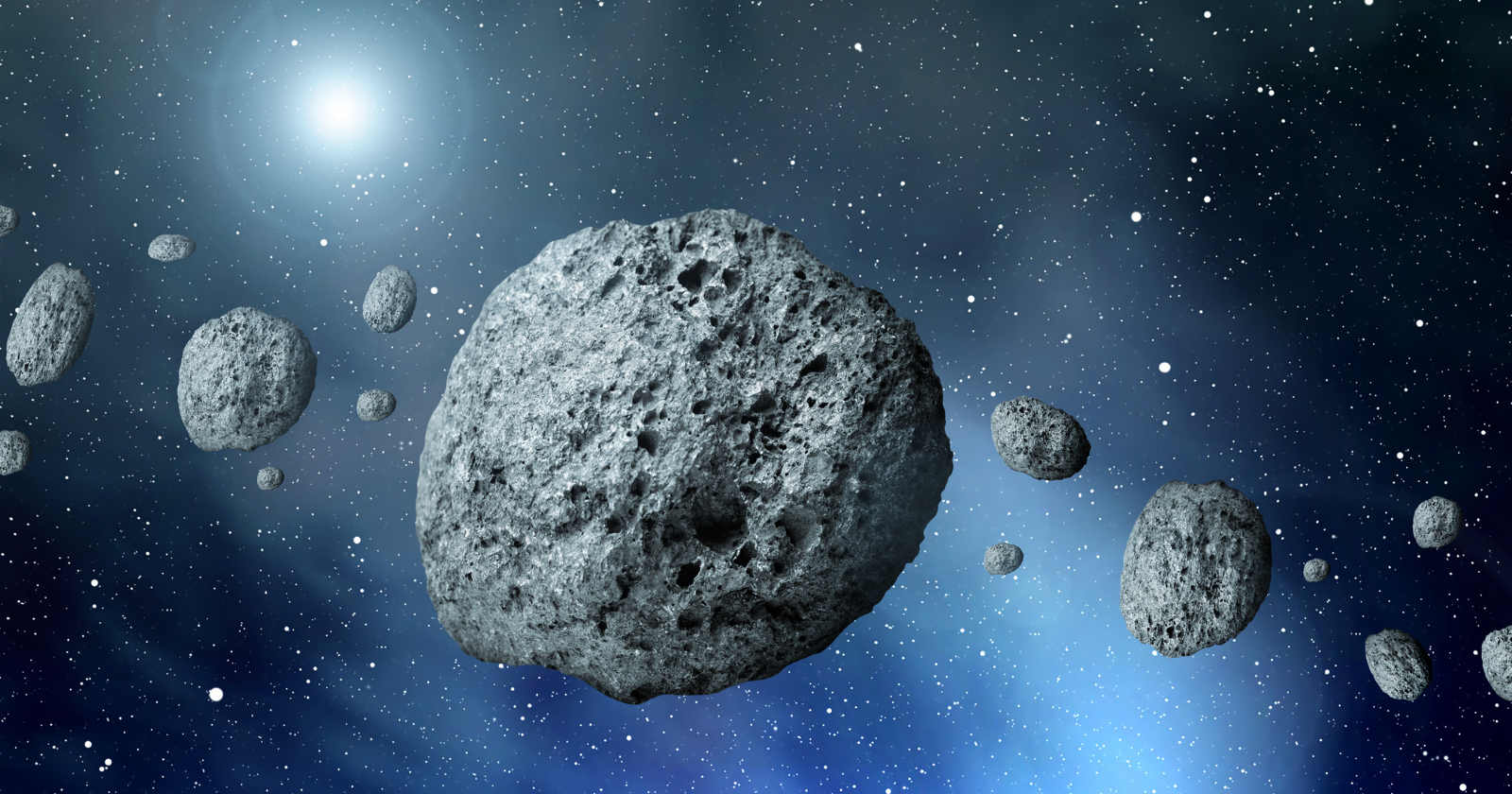
Asteroid
ಕ್ಷುದ್ರಗ್ರಹ
Syllable: ಕ್ಷು-ದ್ರ-ಗ್ರ-ಹ
Pronunciation: Kshudragraha
- An asteroid travels through space. – ಕ್ಷುದ್ರಗ್ರಹವು ಅಂತರಿಕ್ಷದಲ್ಲಿ ಸಂಚರಿಸುತ್ತದೆ.
- Many asteroids orbit the Sun. – ಅನೇಕ ಕ್ಷುದ್ರಗ್ರಹಗಳು ಸೂರ್ಯನ ಸುತ್ತ ಸುತ್ತುತ್ತವೆ.
- Scientists track asteroids carefully. – ವಿಜ್ಞಾನಿಗಳು ಕ್ಷುದ್ರಗ್ರಹಗಳನ್ನು ಗಮನಿಸುತ್ತಾರೆ.

Comet
ಧೂಮಕೇತು
Syllable: ಧೂ-ಮ-ಕೇ-ತು
Pronunciation: Dhoomakethu
- A comet has a bright tail. – ಧೂಮಕೇತುವಿಗೆ ಪ್ರಕಾಶಮಾನವಾದ ಬಾಲವಿದೆ.
- Comets travel around the Sun. – ಧೂಮಕೇತುಗಳು ಸೂರ್ಯನ ಸುತ್ತ ಸಂಚರಿಸುತ್ತವೆ.
- The comet was visible in the sky. – ಧೂಮಕೇತು ಆಕಾಶದಲ್ಲಿ ಕಾಣಿಸಿತು.

Meteor
ಉಲ್ಕೆ
Syllable: ಉಲ್-ಕೆ
Pronunciation: Ulke
- A meteor streaked across the sky. – ಒಂದು ಉಲ್ಕೆ ಆಕಾಶದ ಮೇಲೆ ಚಿಮ್ಮಿತು.
- We saw a meteor at night. – ನಾವು ರಾತ್ರಿ ಉಲ್ಕೆಯನ್ನು ನೋಡಿದೆವು.
- Meteors burn in the atmosphere. – ಉಲ್ಕೆಗಳು ವಾತಾವರಣದಲ್ಲಿ ಸುಡುತ್ತವೆ.

Meteorite
ಉಲ್ಕಾಶಿಲೆ
Syllable: ಉಲ್-ಕಾ-ಶಿ-ಲೆ
Pronunciation: Ulkashile
- A meteorite landed on Earth. – ಒಂದು ಉಲ್ಕಾಶಿಲೆ ಭೂಮಿಗೆ ಬಿದ್ದಿತು.
- Scientists examined the meteorite. – ವಿಜ್ಞಾನಿಗಳು ಉಲ್ಕಾಶಿಲೆಯನ್ನು ಪರಿಶೀಲಿಸಿದರು.
- The meteorite contains space material. – ಉಲ್ಕಾಶಿಲೆಯಲ್ಲಿ ಅಂತರಿಕ್ಷದ ವಸ್ತುಗಳಿವೆ.

Black Hole
ಕಪ್ಪು ರಂಧ್ರ
Syllable: ಕ-ಪ್ಪು ರಂ-ಧ್ರ
Pronunciation: Kappu Randhra
- A black hole has strong gravity. – ಕಪ್ಪು ರಂಧ್ರಕ್ಕೆ ಪ್ರಬಲ ಗುರುತ್ವಾಕರ್ಷಣೆಯಿದೆ.
- Light cannot escape a black hole. – ಬೆಳಕು ಕಪ್ಪು ರಂಧ್ರದಿಂದ ಹೊರಬರಲಾರದು.
- Scientists study black holes. – ವಿಜ್ಞಾನಿಗಳು ಕಪ್ಪು ರಂಧ್ರಗಳನ್ನು ಅಧ್ಯಯನ ಮಾಡುತ್ತಾರೆ.

Star
ನಕ್ಷತ್ರ
Syllable: ನ-ಕ್ಷ-ತ್ರ
Pronunciation: Nakshatra
- Stars shine in the night sky. – ನಕ್ಷತ್ರಗಳು ರಾತ್ರಿ ಆಕಾಶದಲ್ಲಿ ಹೊಳೆಯುತ್ತವೆ.
- The Sun is a star. – ಸೂರ್ಯ ಒಂದು ನಕ್ಷತ್ರವಾಗಿದೆ.
- We can see many stars tonight. – ಇಂದು ರಾತ್ರಿ ನಾವು ಅನೇಕ ನಕ್ಷತ್ರಗಳನ್ನು ನೋಡಬಹುದು.

Constellation
ನಕ್ಷತ್ರಮಂಡಲ
Syllable: ನ-ಕ್ಷ-ತ್ರ-ಮಂ-ಡ-ಲ
Pronunciation: Nakshatramandala
- A constellation is a group of stars. – ನಕ್ಷತ್ರಮಂಡಲವು ನಕ್ಷತ್ರಗಳ ಗುಂಪಾಗಿದೆ.
- Orion is a famous constellation. – ಓರಿಯನ್ ಒಂದು ಪ್ರಸಿದ್ಧ ನಕ್ಷತ್ರಮಂಡಲವಾಗಿದೆ.
- We learned about constellations in class. – ನಾವು ತರಗತಿಯಲ್ಲಿ ನಕ್ಷತ್ರಮಂಡಲಗಳ ಬಗ್ಗೆ ಕಲಿತೆವು.
Easy Ways to Remember Kannada Planet Names
One helpful method is to connect each planet with a unique feature. Mercury is known for being closest to the Sun, Jupiter for its enormous size, Saturn for its rings, and Mars for its reddish appearance. These associations make names easier to recall.
Solar system charts and space illustrations can also improve learning. Seeing the planets arranged visually while reading their Kannada names helps reinforce memory through observation.
Learners may also practice by memorizing the planets in order from the Sun. Repeating the sequence regularly often makes retention much easier.
Simple Practice Ideas
- Use solar system flashcards with Kannada labels.
- Learn the planets in order from the Sun.
- Draw the solar system and label each planet.
- Watch Kannada educational videos about space.
- Create a science vocabulary notebook.
- Match planet pictures with their names.
- Practice pronunciation aloud.
- Use planet names in simple sentences.
- Review older vocabulary regularly.
- Participate in astronomy-themed activities.
- Create a poster of the solar system.
- Ask friends or family members to quiz you.
Combining visual learning with repetition can help learners remember planet names more effectively.
Planet Names in Kannada At a Glance
| # | English Name | Kannada Name | Pronunciation |
|---|---|---|---|
| 1 | Mercury | ಬುಧ | Budha |
| 2 | Venus | ಶುಕ್ರ | Shukra |
| 3 | Earth | ಭೂಮಿ | Bhoomi |
| 4 | Mars | ಮಂಗಳ | Mangala |
| 5 | Jupiter | ಗುರು | Guru |
| 6 | Saturn | ಶನಿ | Shani |
| 7 | Uranus | ಅರುಣ | Aruna |
| 8 | Neptune | ವರುಣ | Varuna |
| 9 | Pluto | ಪ್ಲೂಟೋ | Pluto |
| 10 | Sun | ಸೂರ್ಯ | Soorya |
| 11 | Moon | ಚಂದ್ರ | Chandra |
| 12 | Solar System | ಸೌರಮಂಡಲ | Souramandala |
| 13 | Galaxy | ಆಕಾಶಗಂಗೆ | Akashagange |
| 14 | Asteroid | ಕ್ಷುದ್ರಗ್ರಹ | Kshudragraha |
| 15 | Comet | ಧೂಮಕೇತು | Dhoomakethu |
| 16 | Meteor | ಉಲ್ಕೆ | Ulke |
| 17 | Meteorite | ಉಲ್ಕಾಶಿಲೆ | Ulkashile |
| 18 | Black Hole | ಕಪ್ಪು ರಂಧ್ರ | Kappu Randhra |
| 19 | Star | ನಕ್ಷತ್ರ | Nakshatra |
| 20 | Constellation | ನಕ್ಷತ್ರಮಂಡಲ | Nakshatramandala |
Kannada Planet Quiz
Expanding Your Kannada Vocabulary Across the Universe
Planet names offer learners a chance to move beyond everyday objects and explore the language of science and discovery. They introduce concepts that spark imagination while also building useful academic vocabulary.
As you continue learning Kannada, science-related topics can open the door to many fascinating words and ideas. Which planet interests you the most?
Is there a world in the solar system you would like to learn more about? Share your thoughts in the comments and join other learners on this journey through space.