
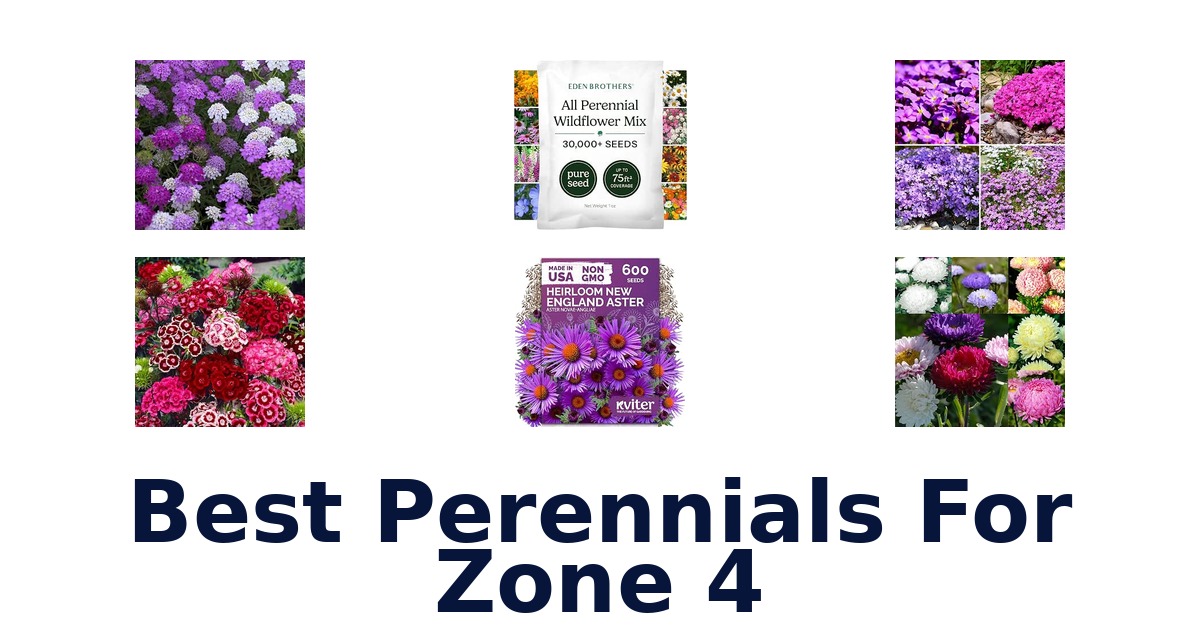
A strong Zone 4 perennial seed choice should state a compatible hardiness range and match the planting area, from a broad wildflower mix to a single flower variety. These options include mixes listed for zones 3–10, tall lupine seeds specifically labeled for zones 4–8, and New England asters rated for zones 2–8 or 3–Some require advance preparation: the KVITER asters call for eight weeks of cold stratification, while the lupine listing says cold treatment is strongly advisable.
Other choices focus on ground cover or distinctive blooms, but do not provide a hardiness range in the supplied product details. The ranking puts stated Zone 4 compatibility first, then considers species variety, coverage, and useful growing information so you can choose seeds that fit your garden plan.
Eden Brothers All Perennial Mix leads because it is explicitly listed for zones 3–10 and includes 19 perennial species, including Shasta daisy, lupine, and purple coneflower. That broad range and species mix suit gardeners who want varied flowers rather than a single-species planting. For a larger sowing area, the 1/4-pound all-perennial mix states coverage of 250–500 square feet and is also listed for zones 3–10.
Check each packet’s planting directions and site conditions before sowing.
Our Top Picks
 Best Overall
Listed for zones 3–10, this 19-species non-GMO mix offers broad variety for Zone 4 gardens and includes pollinator-attracting flowers.
View on Amazon Best for Large Areas
The 1/4-pound mix is listed for zones 3–10 and states coverage of 250–500 square feet, making it suited to broader plantings.
View on Amazon Best Zone 4 Match
Sprouticus Maximus Tall Lupine
Its listing specifically identifies lupine as perennial in zones 4–8, with multicolor flower spikes up to three feet tall.
View on Amazon- Most Seeds KVITER New England Aster 1,200
- Best Ground Cover Carpet Creeping Phlox
Compare these perennial seed options
| # | Product | Material Feature | Material Features | Buy |
|---|---|---|---|---|
| 1 | 1. Eden Brothers Perennial MixBest Overall | — | — | View on Amazon |
| 2 | 2. All Perennial Wildflower MixBest for Large Areas | GMO Free, Heirloom | GMO Free, Heirloom | View on Amazon |
| 3 | 3. Sprouticus Maximus Tall LupineBest Zone 4 Match | Drought Tolerant once established, GMO Free… | Drought Tolerant once established, GMO Free… | View on Amazon |
| 4 |  4. KVITER New England Aster 1,200Most Seeds | GMO Free, Heirloom | GMO Free, Heirloom | View on Amazon |
| 5 |  5. Mixrug Mixed AsterFor Cold-Hardy Mixed Asters | Organic | Organic | View on Amazon |
| 6 |  6. KVITER New England Aster 600For Purple Aster Seed Starters | GMO Free, Heirloom | GMO Free, Heirloom | View on Amazon |
| 7 |  7. Mixrug Sweet WilliamFor Fragrant Cut-Flower Borders | GMO Free | GMO Free | View on Amazon |
| 8 |  8. Carpet Creeping PhloxBest Ground Cover | GMO Free | GMO Free | View on Amazon |
| 9 | 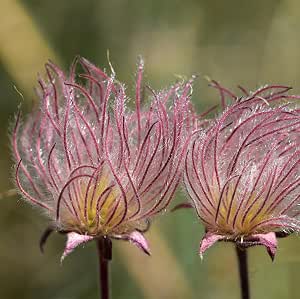 9. Carpet Creeping Prairie SmokeFor Dry Meadow Focal Points | GMO Free | GMO Free | View on Amazon |
| 10 |  10. BuggyBeds CandytuftFor Sunny Mixed Candytuft Ground Cover | GMO Free | GMO Free | View on Amazon |
Detailed Reviews: Best Perennials For Zone 4
#1 · Best Overall
1. Eden Brothers Perennial Mix
Best for: For Mixed Perennial Wildflower Beds.
Why it ranks #1: Listed for zones 3–10, this 19-species non-GMO mix offers broad variety for Zone 4 gardens and includes pollinator-attracting flowers.
Nineteen perennial species make this one-ounce Eden Brothers mix a varied starting point for a Zone 4 wildflower planting. Its listed range begins at Zone 3, and the blend includes familiar choices such as Shasta daisy, perennial lupine, purple coneflower, and black-eyed Susan for a mixed garden display.
The Zone 3–10 listing covers Zone 4, while spring or fall planting lets gardeners choose a sowing season that fits their site. Nineteen species, including Siberian wallflower, Shasta daisy, and lance leaf coreopsis, provide a broader mix than a single-variety packet. The seeds are described as pure and non-GMO, with no fillers, and the mix is intended to attract bees, butterflies, and birds. The listing gives no coverage area, so it is harder to plan bed size from the supplied details.
- Nineteen perennial species in the mix
- Listed for zones 3–10
- Spring or fall planting
- Attracts bees, butterflies, and birds
- No ground-coverage area is specified in the supplied listing.
Skip it if you need a stated square-foot coverage figure; the 1/4-pound wildflower mix from Generic lists coverage for larger areas.
A good match for Zone 4 gardeners who want several perennial species and can sow in spring or fall. Since the listing does not state coverage, it is less suited to planning a precise bed area.
Full product details
| Brand | Eden Brothers |
|---|---|
| Color | Mixed |
| Manufacturer | Eden Brothers |
| Style | All Perennial |
| Style Name | All Perennial |
Listed on Amazon as: Eden Brothers All Perennial Wildflower Mixed Seeds for Planting, 1 oz, Seeds with Lupine, Shasta Daisy | Attracts Pollinators, Plant in Spring or Fall, for Zones 3, 4, 5, 6, 7, 8, 9, 10
View on Amazon#2 · Best for Large Areas
2. All Perennial Wildflower Mix
- Material Feature: GMO Free, Heirloom
- Material Features: GMO Free, Heirloom
Best for: For Broad Wildflower Coverage.
Why it ranks #2: The 1/4-pound mix is listed for zones 3–10 and states coverage of 250–500 square feet, making it suited to broader plantings.
A quarter-pound mix listed to cover 500 square feet makes this perennial blend a practical option for larger Zone 4 plantings. It contains 18 species, including lupines, Shasta daisy, purple coneflower, and black-eyed Susan, and is listed for zones 3–10 with spring and fall planting.
The stated 500-square-foot coverage helps gardeners estimate how much ground the quarter-pound quantity can sow, while the 18-species blend offers more variety than a single-flower planting. Its zone range includes Zone 4, and spring or fall planting provides seasonal flexibility. The listed species include perennial lupine, dwarf columbine, and blanket flower, and the mix is described as attracting pollinators. Biodegradable packaging is another stated feature; follow planting instructions closely, as the description advises.
- Quarter-pound quantity lists 500-square-foot coverage
- Includes 18 perennial species
- Listed for zones 3–10
- Biodegradable packaging
- The listing advises following planting instructions closely.
Skip it if you are sowing only a small container; Eden Brothers’ one-ounce perennial mix is a smaller listed quantity for a more limited planting.
This suits Zone 4 gardeners filling a broad area with a diverse perennial wildflower mix. Its stated coverage makes area planning easier, but it is less tailored to a small container or narrowly defined bed.
Full product details
| Brand | Generic |
|---|---|
| Color | Multicolored Blooms |
| Manufacturer | Paper Street Seed Company |
| Material Feature | GMO Free, Heirloom |
| Material Features | GMO Free, Heirloom |
| Special Features | Biodegradable |
| Special Feature | Biodegradable |
Listed on Amazon as: All Perennial Wildflower Seed Mix 1/4lb, 500sq-ft, 93,750+ Seeds Lupine Shasta Daisy Attract Pollinators, Spring and Fall Planting, Zones 3, 4, 5, 6, 7, 8, 9, 10 Earth-Friendly Packaging
View on Amazon#3 · Best Zone 4 Match
3. Sprouticus Maximus Tall Lupine
- Material Feature: Drought Tolerant once established, GMO Free…
- Material Features: Drought Tolerant once established, GMO Free…
Best for: For Tall Multicolor Lupine Spikes.
Why it ranks #3: Its listing specifically identifies lupine as perennial in zones 4–8, with multicolor flower spikes up to three feet tall.
Flower spikes reaching up to three feet give this multicolor lupine mix vertical presence in a Zone 4 garden. The packet contains 50+ seeds, with pink, purple, yellow, and white flowers; its stated Zone 4–8 range and spring or fall planting options suit seasonal perennial planning.
The tall spikes provide height, while the four listed bloom colors bring variation to a planting; the stated maximum height helps when positioning lupines among shorter flowers. Spring sowing is recommended after the last frost, or fall planting can provide natural stratification in zones 4–8. Cold treatment is strongly advisable, so allow for that step in seed preparation. The listing also says lupines grow in poor soils and need minimal care once established, with pollinators among their visitors.
- 50+ seeds in the mix
- Pink, purple, yellow, and white flowers
- Grows up to three feet tall
- Drought tolerant once established
- Cold stratification is strongly advisable for these seeds.
Skip it if you want a seed listing without advised cold treatment; KVITER’s aster seeds specify an eight-week stratification schedule instead.
Choose this mix for a Zone 4 gardener seeking tall, colorful lupines and willing to prepare seeds with cold treatment. Spring sowing should wait until after the last frost, according to the listing.
Full product details
| Brand | Sprouticus Maximus |
|---|---|
| Color | Multicolor |
| Item Weight | 0.86 g |
| Manufacturer | Sprouticus Maximus |
| Material Feature | Drought Tolerant once established, GMO Free seeds, Perennial in zones 4-8, Planting instructions on the package, Stratification (cold treatment) strongly advisable See more |
| Material Features | Drought Tolerant once established, GMO Free seeds, Perennial in zones 4-8, Planting instructions on the package, Stratification (cold treatment) strongly advisable |
| Special Features | Attracts Pollinators, Easy to Grow and Low Maintenance, Non-GMO, Spring or Fall Planting, Tall Multicolor Flower Mixture |
| Special Feature | Attracts Pollinators, Easy to Grow and Low Maintenance, Non-GMO, Spring or Fall Planting, Tall Multicolor Flower Mixture See more |
Listed on Amazon as: Seeds Multicolor Tall Lupine Mix 50+ Seeds to Grow Perennial in Zones 4-8 to Plant in Spring or Fall
View on Amazon#4 · Most Seeds
4. KVITER New England Aster 1,200
- Material Feature: GMO Free, Heirloom
- Material Features: GMO Free, Heirloom
Best for: For Larger Purple Aster Sowings.
Why it ranks #4: The 1,200-seed packet is listed for hardiness zones 2–8 and attracts bees and butterflies, though it needs eight-week cold stratification.
With 1,200 New England aster seeds, this KVITER packet offers twice the stated quantity of its 600-seed counterpart for a broader sowing. Purple starry flowers suit containers or outdoor beds, and the listed USDA 2–8 range includes Zone 4 gardens and pollinator-friendly planting.
The USDA 2–8 range includes Zone 4, and fall or spring sowing gives two seasonal options for establishing these heirloom asters. Seeds need moist soil and a depth just under 1/8 inch, while the included step-by-step guide supports planning those details. An eight-week cold-stratification period is required before sprouting, so this larger packet still calls for advance preparation. The flowers attract bees and butterflies, making the planting relevant where pollinator visits are desired.
- 1,200 heirloom seeds
- Listed for USDA zones 2–8
- Attracts bees and butterflies
- Growing guide included
- Seeds require eight weeks of cold stratification before sprouting.
Skip it if you want a smaller seed quantity or no cold-treatment step; KVITER’s 600 New England aster packet lists the same stratification requirement with fewer seeds.
Choose this larger packet for a Zone 4 gardener planning a broad purple aster sowing and prepared to stratify seeds for eight weeks. Its listed containers and outdoor beds allow more than one planting style.
Full product details
| Brand | KVITER |
|---|---|
| Color | Purple |
| Manufacturer | KVITER |
| Material Feature | GMO Free, Heirloom |
| Material Features | GMO Free, Heirloom |
| Special Features | Attracts Pollinators, Compact, Growing Guide Included, Low Maintenance, Made in the USA |
| Care Instructions | Detailed Step-By-Step Growing Guide on every seed packet — plant with confidence and watch it thrive. See more |
| Special Feature | Attracts Pollinators, Compact, Growing Guide Included, Low Maintenance, Made in the USA |
| Style Name | New England Aster |
Listed on Amazon as: 1,200 New England Aster Heirloom Flower Seeds, Aster Novae-Angliae
View on Amazon#5
5. Mixrug Mixed Aster
- Material Feature: Organic
- Material Features: Organic
Best for: For Cold-Hardy Mixed Asters.
Why it ranks #5: New England asters are described as cold hardy in zones 3–8, and the packet contains 1,000-plus mixed-color seeds.
A 1000-plus-seed quantity and a listed Zone 3–8 range make this mixed aster packet a substantial option for Zone 4 gardens. The assortment includes deep purple, pink, white, and lavender flowers, offering more color variety than a single-color New England aster selection.
The listed hardiness range covers Zone 4, and the product describes the asters as cold hardy, returning each spring with increased vigor. Mixed purple, pink, white, and lavender flowers can create a varied display, while the extended-bloom-time feature supports interest across a longer flowering period. More than 1,000 seeds provide quantity for sowing across a garden area. The listing identifies New England aster varieties and other perennial asters, but does not specify a planting depth or seed-preparation schedule.
- 1000+ seeds per packet
- Listed for USDA zones 3–8
- Mixed purple, pink, white, and lavender flowers
- Extended bloom time feature
- The supplied listing gives no planting depth or seed-preparation schedule.
Skip it if you need explicit seed-starting depth and stratification instructions; KVITER’s aster listings specify both sowing depth and cold treatment.
A fitting choice for Zone 4 gardeners seeking a large quantity of cold-hardy asters in several colors. Since the listing omits seed-preparation specifics, it offers less sowing guidance than a packet with detailed instructions.
Full product details
| Brand | Mixrug |
|---|---|
| Color | Mixed |
| Manufacturer | Mixrug |
| Part Number | LYJ-1107-CJS8320093 |
| Material Feature | Organic |
| Material Features | Organic |
| Special Features | Extended Bloom Time |
| Special Feature | Extended Bloom Time |
Listed on Amazon as: 1000+ Mix Aster Flower Seeds Perennial,New England Asters Seeds for Planting Cold Hardy & Pollinator Friendly Non-GMO Heirloom Seed for Home Outdoor Garden
View on Amazon#6
6. KVITER New England Aster 600
- Material Feature: GMO Free, Heirloom
- Material Features: GMO Free, Heirloom
Best for: For Purple Aster Seed Starters.
Why it ranks #6: This purple New England aster is listed for USDA zones 2–8 and includes a growing guide, but has fewer seeds than the other KVITER option.
An eight-week cold-stratification step gives these New England aster seeds a clear place in a planned Zone 4 sowing schedule. The packet contains about 600 heirloom seeds, with purple, starry blooms suited to containers or outdoor beds and flowers that attract bees and butterflies.
The listed USDA 2–8 range includes Zone 4, while fall or spring sowing offers two seasonal options for establishing this perennial. Seeds need moist soil and planting just under 1/8 inch deep, so the included step-by-step growing guide can help with sowing depth and care. Plan ahead for the required eight-week cold stratification before expecting germination; this is not a direct-sow-without-preparation choice. Its pollinator attraction makes it useful where bees and butterflies are welcome.
- About 600 heirloom seeds
- Listed for USDA zones 2–8
- Attracts bees and butterflies
- Growing guide included
- Seeds require eight weeks of cold stratification before sprouting.
Skip it if you want seeds without a cold-stratification step; Mixrug’s 1000+ mixed aster listing does not specify that requirement.
Choose these for a Zone 4 garden where purple aster blooms and pollinator visits are priorities, and where you can plan the cold treatment. The listed sowing options suit containers or outdoor beds.
Full product details
| Brand | KVITER |
|---|---|
| Color | Purple |
| Manufacturer | KVITER |
| Material Feature | GMO Free, Heirloom |
| Material Features | GMO Free, Heirloom |
| Special Features | Attracts Pollinators, Compact, Growing Guide Included, Low Maintenance, Made in the USA |
| Care Instructions | Detailed Step-By-Step Growing Guide on every seed packet — plant with confidence and watch it thrive. See more |
| Special Feature | Attracts Pollinators, Compact, Growing Guide Included, Low Maintenance, Made in the USA |
| Style Name | New England Aster |
Listed on Amazon as: 600 New England Aster Heirloom Flower Seeds, Aster Novae-Angliae
View on Amazon#7
7. Mixrug Sweet William
- Material Feature: GMO Free
- Material Features: GMO Free
Best for: For Fragrant Cut-Flower Borders.
Why it ranks #7: The listing gives a zones 3–9 hardiness range and notes fragrant, pollinator-attracting blooms, while also describing the plant as a biennial.
Clusters of fragrant, multicolored blooms make these Sweet William seeds appealing for borders and cut flowers in a Zone 4 garden. The listing describes flowers in white, pink, purple, red, and violet, with blooms appearing the year after planting from mid-spring to mid-summer.
Sweet William is described as a biennial that grows 12–24 inches tall and 6–12 inches wide, giving gardeners dimensions to consider for beds and borders. Its listed uses also include cut flowers, and the fragrant clusters can attract butterflies, bumblebees, ladybugs, and hummingbirds. Full sun and good drainage are specified, so site choice matters. Although the title says zones 3–9, the feature text says zones 4–10; the listing is inconsistent about its range, so check the supplied planting guidance.
- Fragrant clusters in several listed colors
- Suitable for beds and borders
- Listed for cut flowers
- Attracts butterflies and other beneficial insects
- This biennial blooms the year after planting, not in its first year.
Skip it if you want flowers in the planting year; the product listing says blooms appear the year after planting.
Pick these for a Zone 4 border or cut-flower bed if you can wait until the following year for blooms. Full sun and good drainage are the listed site requirements to consider.
Full product details
| Brand | Mixrug |
|---|---|
| Color | Gazania |
| Manufacturer | Mixrug |
| Part Number | LYJ-1021-GS03905-02 |
| Material Feature | GMO Free |
| Material Features | GMO Free |
| Special Features | Attracts Pollinators |
| Special Feature | Attracts Pollinators |
Listed on Amazon as: 5000+ Sweet William Seeds Perennial for Planting-Dianthus Seeds Sweetness Flower Non-GMO Heirloom for Outdoor Garden Hardy to USDA Zones 3-9
View on Amazon#8 · Best Ground Cover
8. Carpet Creeping Phlox
- Material Feature: GMO Free
- Material Features: GMO Free
Best for: For Evergreen Rock-Garden Edges.
Why it ranks #8: This low-growing option spreads 18–24 inches and has evergreen foliage, but the supplied details do not state a hardiness-zone range.
Evergreen foliage only four to six inches tall gives this creeping phlox a low profile for Zone 4 borders, rock gaps, and pathways. Its star-shaped spring flowers blanket the foliage, while the plant spreads 18–24 inches wide to form a mat that the listing describes as weed-suppressing.
The stated 18–24-inch spread helps with spacing along paths or between rocks, and the low, evergreen foliage keeps ground cover present beyond the spring bloom display. The product is described as drought tolerant once established and suited to well-drained sandy or gravelly soils, which makes drainage a key site consideration. Its slow spread forms a thick mat for slopes and erosion control. The listing mentions watering in its care instructions, so newly planted areas still call for attention rather than being treated as maintenance-free.
- Evergreen foliage stays green year-round
- Spreads 18–24 inches wide
- Drought tolerant once established
- Star-shaped spring blooms
- Requires well-drained soil, with sandy or gravelly conditions specified.
Skip it if you have a damp, poorly drained planting site; Prairie Smoke from Carpet Creeping is also listed for dry, well-drained soils, not wet ground.
Choose creeping phlox for a sunny or suitable garden edge where an evergreen, low-growing mat can fill gaps or help cover a slope. Its well-drained soil requirement is an important fit consideration.
Full product details
| Brand | Carpet Creeping |
|---|---|
| Color | Phlox |
| Manufacturer | Carpet Creeping |
| Part Number | Phlox1000 |
| Material Feature | GMO Free |
| Material Features | GMO Free |
| Special Features | Attracts Pollinators, Drought Tolerant, Extended Bloom Time, Low Maintenance |
| Care Instructions | water |
| Special Feature | Attracts Pollinators, Drought Tolerant, Extended Bloom Time, Low Maintenance |
Listed on Amazon as: CarpetC 1000+ Creeping Phlox Seeds for Planting, Ground Cover Purple Flowers Star-Shaped Blooms, Phlox subulata Non-GMO Heirloom for Garden Borders Home Containers
View on Amazon#9
9. Carpet Creeping Prairie Smoke
- Material Feature: GMO Free
- Material Features: GMO Free
Best for: For Dry Meadow Focal Points.
Why it ranks #9: Prairie smoke offers distinctive pink feathery seed heads and drought tolerance once established, but its listing gives no hardiness-zone range.
Feathery pink seed plumes that resemble drifting smoke give prairie smoke a distinctive focal-point effect in a Zone 4 rock garden or meadow. The native perennial’s slender stems rise 12–18 inches, and its drought-tolerant, low-growing foliage suits dry, well-drained sites.
The 12–18-inch plume height adds visible structure without requiring a tall planting, while fern-like, semi-evergreen foliage forms a low mat beneath it. Prairie smoke is listed as drought tolerant once established and suited to dry, well-drained soil, supporting use in xeriscaping, rock gardens, and dry meadows. Its spring flowers are followed by the distinctive pink seed heads, extending visual interest into late spring through summer. The listing does not state a hardiness-zone range, so Zone 4 suitability is not confirmed by the supplied facts.
- Distinctive feathery pink seed heads
- Slender stems reach 12–18 inches
- Drought tolerant once established
- Native perennial for natural gardens
- The supplied listing does not specify a hardiness-zone range.
Skip it if you need a stated Zone 4 hardiness range; Sprouticus Maximus tall lupine is explicitly listed for zones 4–8.
This suits gardeners seeking an unusual plume display for dry meadows, rock gardens, or xeriscaping. Because the listing gives no hardiness-zone range, Zone 4 buyers should weigh that uncertainty before choosing it.
Full product details
| Brand | Carpet Creeping |
|---|---|
| Color | Prairie Smoke Seeds |
| Manufacturer | Carpet Creeping |
| Part Number | Prairie Smoke Seeds 50 |
| Material Feature | GMO Free |
| Material Features | GMO Free |
| Special Features | Attracts Pollinators, Drought Tolerant, Extended Bloom Time, Low Maintenance |
| Care Instructions | water |
| Special Feature | Attracts Pollinators, Drought Tolerant, Extended Bloom Time, Low Maintenance |
Listed on Amazon as: CarpetC50 Prairie Smoke Seeds for Planting, Geum triflorum Native Perennial with Feathery Pink Plumes, Drought Tolerant Ground Cover, Non-GMO Heirloom for Rock Gardens and Meadows
View on Amazon#10
10. BuggyBeds Candytuft
- Material Feature: GMO Free
- Material Features: GMO Free
Best for: For Sunny Mixed Candytuft Ground Cover.
Why it ranks #10: This low-maintenance ground-cover seed is described as perennial, but the supplied product details do not specify a hardiness range for Zone 4.
A mix of white, pink, and lavender blooms gives these 2,000-plus candytuft seeds color variety for Zone 4 ground-cover planting. The listing describes plants around 12 inches tall, flowering in spring and summer and attracting bees and butterflies in borders or rock gardens.
The approximate 12-inch height and ground-cover use help position candytuft along borders or in rock gardens, while full sun to partial shade gives some flexibility in site selection. The product is described as perennial and low maintenance, with blooms in spring and summer when properly cared for. Its mixed flower colors add variety, and the listing also states deer and rabbit resistance. No hardiness-zone range is supplied, so the facts provided do not confirm how it performs through Zone 4 winters.
- 2,000+ seeds
- White, pink, and lavender blooms
- Full sun to partial shade listed
- Attracts bees and butterflies
- The supplied listing does not specify a hardiness-zone range.
Skip it if you need confirmed Zone 4 hardiness; Sprouticus Maximus tall lupine is listed specifically for zones 4–8.
This can suit a gardener seeking mixed-color candytuft for a sunny-to-partly-shaded border or rock garden. The listing’s missing hardiness range is a meaningful limitation for buyers choosing perennials for Zone 4.
Full product details
| Brand | BuggyBeds |
|---|---|
| Color | Mix |
| Manufacturer | BuggyBeds |
| Material Feature | GMO Free |
| Material Features | GMO Free |
| Special Features | Low Maintenance |
| Special Feature | Low Maintenance |
Listed on Amazon as: 2000+ Mixed Candytuft Flower Seeds – Perennial Plant for Outdoor Planting, Attracts Pollinators, Deer & Rabbit Resistant, Ideal Ground Cover for Garden
View on AmazonPlan for seed preparation, not just planting date
Cold preparation can be a deciding step for these seeds, so check instructions before choosing a sowing date. Both KVITER New England aster listings say seeds sprout after eight weeks of cold stratification; planting them immediately without that treatment may not follow the listed germination method. The Sprouticus Maximus lupine listing says stratification is strongly advisable and notes that fall planting in zones 4–8 allows natural stratification.
The Eden Brothers and bulk wildflower mixes list spring or fall planting, but the supplied details do not give a cold-stratification duration for their species mixtures. A mixed packet can contain multiple species with different needs, so do not assume one preparation schedule suits every seed in the blend.
Use the packet directions as the operational guide, and allow for the possibility that the aster and lupine options require planning well before the desired bloom season.
Match seed quantity to the bed, not the headline count
A large seed count does not by itself tell you how much ground a packet will cover. The clearest area figure belongs to All Perennial Wildflower Mix: its description gives coverage of 250–500 square feet for a 1/4-pound quantity. Eden Brothers instead lists a one-ounce mix with 19 species, without a coverage figure in the supplied details.
Individual-flower packets range from 50-plus lupine seeds to 1,200 New England aster seeds, but their listings do not establish square-foot coverage. This creates a practical trade-off: a species-rich mix may simplify choosing multiple flower types, while a single-species packet gives a more defined planting subject; neither seed count alone guarantees a finished carpet or a particular density.
Measure the intended bed and follow the sowing rate on the package. Treat the bulk mix’s stated coverage as a range, not a promise of uniform establishment.
How to Choose Zone 4 Perennial Seeds
Stated hardiness range
Look for a listed range that includes Zone 4 rather than relying on a general claim that a flower is hardy. Eden Brothers and the All Perennial Wildflower Mix both state zones 3–10; Sprouticus Maximus lists lupine for zones 4–8; the KVITER asters list zones 2–8, and Mixrug asters zones 3–Mixrug Sweet William is listed for zones 3–9, though the description also calls it a biennial.
Creeping phlox, prairie smoke, and candytuft have no zone range in the supplied details. Gardeners prioritizing explicit Zone 4 information should favor the first group; those willing to verify suitability from the packet or seller can consider the latter options for their ground-cover or flower form.
Mix versus single flower
Choose between a species mix and a focused planting based on the look and variety you want. Eden Brothers includes 19 named species, while the bulk mix lists 18; both offer a range of perennial flowers and are described as attracting pollinators. By contrast, the Sprouticus Maximus packet centers on tall lupines in pink, purple, yellow, and white, and the KVITER packets focus on purple New England aster.
A mix suits someone seeking several flower types in one sowing, while a single-flower packet suits a gardener planning a more consistent display or testing a particular species. Remember that a mix can combine plants with different appearances and needs; the individual varieties listed are easier to identify, but do not provide the same named-species breadth.
Planting scale and preparation
Check both coverage and seed preparation before buying, because these listings provide very different kinds of guidance. The All Perennial Wildflower Mix states that its 1/4-pound quantity covers 250–500 square feet, while the lupine option offers 50-plus seeds and advises cold treatment. KVITER’s New England asters call for eight-week cold stratification, and the bulk and Eden Brothers mixes list spring or fall planting.
Many other individual listings provide seed counts but no square-foot coverage in the supplied details. Choose the bulk mix when you are planning a broad area and can use its stated coverage range; choose a smaller, species-focused packet for a defined planting.
If you cannot prepare seeds in advance, pay particular attention to the cold-treatment directions rather than assuming every perennial seed is ready for immediate sowing.
Which Zone 4 perennial seeds should I choose?
For the broadest stated zone fit and species variety, choose Eden Brothers Perennial Mix: it lists zones 3–10 and 19 species. If you are sowing a larger area, All Perennial Wildflower Mix is the more useful match because its 1/4-pound packet states 250–500 square feet of coverage and zones 3–Choose Sprouticus Maximus Tall Lupine when you want tall multicolor blooms and a listing specifically naming zones 4–8.
For asters, KVITER New England Aster 1,200 has the larger packet and a stated zones 2–8 range; Mixrug Mixed Aster is another option listed for zones 3–Consider Carpet Creeping Phlox for a low mat or Carpet Creeping Prairie Smoke for feathery plumes, but verify hardiness suitability because their supplied listings do not state a zone range.
Frequently Asked Questions
When should I sow perennial seeds in a Zone 4 garden?
Follow the planting directions on the specific seed packet. Several listings here recommend spring or fall planting, including both all-perennial wildflower mixes and the tall lupine mix. Since directions can vary by seed, check that your choice is listed for Zone 4 and confirm its recommended sowing season before planting.
How do I cold-stratify perennial seeds before planting?
Check the packet first, because the supplied listings do not state whether these seeds require cold stratification or give a method. Do not assume every perennial seed needs it. Follow the seed-specific instructions, and if the packet is unclear, seek guidance for that species before preparing or sowing the seeds.
How much seed do I need for a wildflower bed?
Use the stated coverage to match the mix to your bed: the 1/4-pound All Perennial Wildflower Mix lists coverage of 250–500 square feet. Measure your planting area and check the packet directions before sowing. The other mix’s supplied listing does not state coverage, so verify its directions for your intended area.
Which seed mix suits a varied perennial planting?
Eden Brothers All Perennial Mix suits gardeners seeking variety: its listing names 19 perennial species, including Shasta daisy, lupine, and purple coneflower, and states a Zone 3–10 range. Choose a single-type option instead when you want a more focused planting, such as asters or tall lupine.
What should I check before choosing ground-cover seeds?
Verify hardiness suitability before choosing Carpet Creeping Phlox or Carpet Creeping Prairie Smoke for a Zone 4 garden, because their supplied listings do not state a zone range. The listings describe phlox as a ground cover with purple flowers and prairie smoke as having feathery pink plumes; check packet directions and site conditions too.
Final Words
For the broadest stated zone fit and species variety, choose Eden Brothers All Perennial Mix, listed for zones 3–10 with 19 species. If you are covering a larger area, the 1/4-pound All Perennial Wildflower Mix states coverage of 250–500 square feet and the same zone range. For a focused planting, consider tall lupine or asters by their listed zones; verify hardiness for phlox and prairie smoke, whose listings omit a zone range.