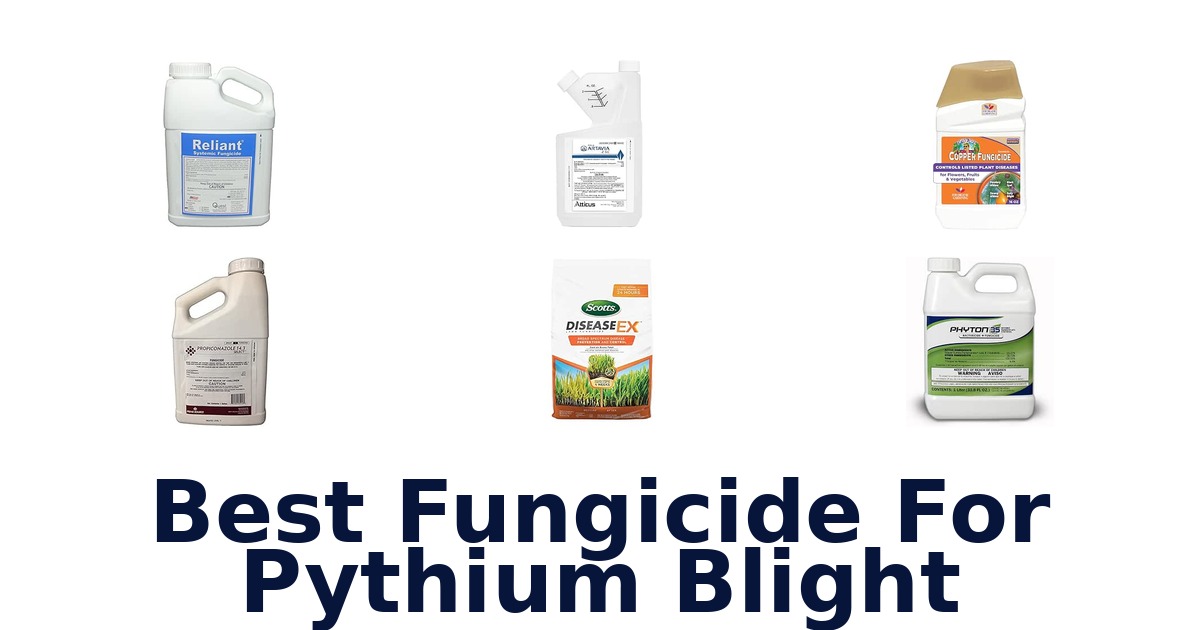
A strong choice for pythium blight should list the disease on its label for your intended setting, whether that is turf, ornamentals, or nursery crops. Scotts DiseaseEx Lawn Fungicide is the clearest lawn match here: its listed diseases include pythium blight, and it is intended for prevention and control at the first sign of symptoms. Terrazole 35% WP is the most directly named soil treatment, but its supplied description specifies ornamental and nursery crops rather than general lawn use.
Other options include mefenoxam, azoxystrobin, and broad-spectrum systemic products, but their supplied details do not specifically name pythium blight. Match the product and application site to its full label before treating; the product descriptions alone do not establish suitability for every lawn or disease situation.
Scotts DiseaseEx Lawn Fungicide is the Best Overall choice for a lawn because its listed disease controls explicitly include pythium blight, and the product is described for prevention and control at the first sign of symptoms. For a soil-focused option in ornamental or nursery crops, Terrazole 35% WP specifically describes prevention and control of diseases caused by Pythium species. Choose based on the labeled site and application method, and verify the complete product label before use.
Our Top Picks
 Best Overall
Scotts DiseaseEx Lawn Fungicide
Its listed 26 lawn diseases include pythium blight, and the description says it prevents disease and controls it at the first sign of symptoms.
View on Amazon Best Soil Treatment
The description specifically names Pythium species and says this soil fungicide prevents and controls related diseases in ornamental and nursery crops.
View on Amazon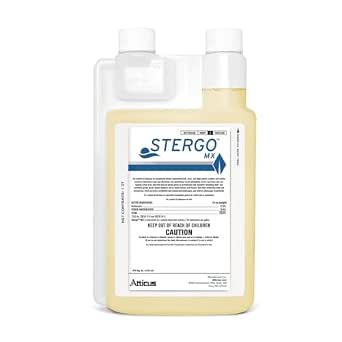 Systemic Liquid
It contains 22% mefenoxam and offers contact and systemic activity, with absorption through leaves and roots; pythium is not named in the supplied details.
View on Amazon- Broad-Spectrum Turf Atticus Artavia 2 SC
Compare the options by use and label fit
| # | Product | Weight | Form | Buy |
|---|---|---|---|---|
| 1 | 1. Scotts DiseaseEx Lawn FungicideBest Overall | 10 lb | Patch | View on Amazon |
| 2 | 2. Terrazole 35% WPBest Soil Treatment | 2 lb | — | View on Amazon |
| 3 | 3. Atticus Stergo MXSystemic Liquid | — | Liquid | View on Amazon |
| 4 |  4. Atticus Artavia 2 SCBroad-Spectrum Turf | 1.3 lb | Liquid | View on Amazon |
| 5 |  5. Select Source PropiconazoleTurf and ornamental fungicide buyers | 9.8 lb | Liquid | View on Amazon |
| 6 |  6. VivaGrow Reliant Systemic FungicideSystemic turf and ornamental care | — | Spray | View on Amazon |
| 7 |  7. Spectracide ImmunoxHose-end lawn disease and insect control | 2.4 lb | Spray | View on Amazon |
| 8 |  8. Bonide Captain Jack Copper FungicideOrganic gardening and garden plants | 1.3 lb | Liquid | View on Amazon |
| 9 |  9. Grower's Ally Fungicide ConcentrateIndoor and outdoor plant growers | 2.3 lb | Liquid | View on Amazon |
| 10 |  10. Phyton 35 FungicideGreenhouse and nursery crop disease control | 16 oz | Fl | View on Amazon |
Detailed Reviews: Best Fungicide For Pythium Blight
#1 · Best Overall
1. Scotts DiseaseEx Lawn Fungicide
- Weight: 10 lb
- Form: Patch
Best for: Broad lawn disease coverage.
Why it ranks #1: Its listed 26 lawn diseases include pythium blight, and the description says it prevents disease and controls it at the first sign of symptoms.
Coverage for 26 listed lawn diseases—including pythium blight—makes Scotts DiseaseEx a fit for lawn owners seeking one granular treatment for several named problems. Its stated use spans prevention before disease appears and control at the first symptoms, supporting both preventive and early-response lawn care.
The 26-disease coverage includes pythium blight, brown patch, rust, red thread, and powdery mildew, so one product addresses multiple listed lawn concerns. Scotts also specifies prevention before symptoms and control at their first sign, giving lawn owners two stated points of use. The 10-pound product is identified as a lawn fungicide, but the supplied information does not specify application rate or coverage area; consult its label for application directions and treated-area planning.
- Specifically lists pythium blight among 26 controlled lawn diseases
- Can be used before disease appears or at first symptoms
- Also lists brown patch, rust, red thread, and powdery mildew
- 10-pound product is identified for lawn use
- The supplied details do not state coverage area or application rate.
Skip it if you need a fungicide whose supplied description specifies systemic leaf-and-root absorption; Atticus Stergo MX names that activity.
Lawn owners looking to address pythium blight alongside other listed lawn diseases may value its broad disease list and preventive or early-symptom use. Check the product label for application directions and area coverage before planning treatment.
Full product details
| Brand | Scotts |
|---|---|
| Included Components | Fert |
| Item Form | Patch |
| Item Weight | 10 pounds |
| Manufacturer | The Scotts Company LLC |
| Model Number | 032247376105 |
| Warranty Description | Warranty |
Listed on Amazon as: Scotts DiseaseEx Lawn Fungicide, 10 lbs.
View on Amazon#2 · Best Soil Treatment
2. Terrazole 35% WP
- Weight: 2 lb
Best for: Pythium soil treatment for ornamentals.
Why it ranks #2: The description specifically names Pythium species and says this soil fungicide prevents and controls related diseases in ornamental and nursery crops.
Pythium is named directly in Terrazole 35% WP’s title and supplied description, which identify it as a soil fungicide for prevention and control. The description also names damping-off, root rot, and stem diseases caused by Pythium and Phytophthora in ornamental and nursery crops.
Terrazole is described as a soil fungicide for ornamental and nursery crops, giving its stated application context rather than general lawn use. Its listed targets include damping-off, root rot, and stem diseases caused by Pythium and Phytophthora, with both preventive and curative activity stated. The product is identified as 35% WP and supplied in a 2-pound quantity, but the supplied information does not provide mixing, application, or rate directions; consult its label before treatment.
- Specifically names Pythium and Phytophthora
- Targets damping-off, root rot, and stem diseases
- Described for both prevention and control
- Identified for ornamental and nursery crops
- The supplied information does not give mixing, application, or rate directions.
Skip it if you need a fungicide specifically listed for general lawn use; Scotts DiseaseEx is identified for lawns and names pythium blight.
Terrazole suits buyers addressing Pythium- or Phytophthora-related soil diseases in ornamental and nursery crops. Its supplied description does not identify general lawn use or application rates, so check the label for site eligibility and treatment directions.
Full product details
| Brand | ZYZYZK |
|---|---|
| Item Weight | 2 pounds |
| Manufacturer | OHP, Inc. |
Listed on Amazon as: Terrazole 35% WP 2 lbs. Soil Fungicide Pythium, Damping-Off, Phytopthora
View on Amazon#3 · Systemic Liquid
3. Atticus Stergo MX
- Form: Liquid
Best for: Systemic lawn and landscape treatment.
Why it ranks #3: It contains 22% mefenoxam and offers contact and systemic activity, with absorption through leaves and roots; pythium is not named in the supplied details.
Contact and systemic activity give Atticus Stergo MX two stated modes of action: it works against existing fungus while helping prevent new disease. Its 22% mefenoxam formula is identified for lawn and landscape use, making it an option for buyers seeking liquid treatment that can be absorbed through leaves and roots.
Stergo MX is a liquid concentrate supplied in a 32-ounce bottle, and its contact-plus-systemic activity is described as acting on existing fungus and preventing new disease. Absorption through leaves and roots gives its systemic action a route into plants, rather than relying only on surface contact. The listing names turfgrass and ornamentals as uses, so it can suit buyers treating both settings; follow the product label for mixing and application directions.
- Contains 22% mefenoxam
- Combines contact and systemic activity
- Described as absorbed through leaves and roots
- Listed for turfgrass and ornamentals
- The supplied information does not name pythium blight among its controlled diseases.
Skip it if you need an explicitly listed pythium-blight treatment; Scotts DiseaseEx names that lawn disease on its coverage list.
Consider Stergo MX if you want a liquid mefenoxam concentrate with stated contact and systemic action for turfgrass or ornamentals. Its supplied facts do not specifically identify pythium blight, so check the label for the disease and site you intend to treat.
Full product details
| Brand | Atticus |
|---|---|
| Included Components | 32-Oz of Stergo MX Fungicide Concentrate |
| Item Form | Liquid |
| Manufacturer | Atticus |
| Special Features | organic |
Listed on Amazon as: Atticus Stergo MX Mefenoxam Fungicide for Lawn and Landscape (32oz)
View on Amazon#4 · Broad-Spectrum Turf
4. Atticus Artavia 2 SC
- Weight: 1.3 lb
- Form: Liquid
Best for: Broad-spectrum turf and ornamental use.
Why it ranks #4: Its azoxystrobin formula is described for more than 20 turf diseases and foliar and soil-borne fungi, though pythium blight is not specifically listed.
Atticus Artavia 2 SC lists more than 20 turf and 30 ornamental fungi for control, giving buyers broad stated coverage across lawns and landscape plants. Its 22.9% azoxystrobin moves within the plant from root to leaf, an especially relevant distinction for those seeking described internal plant protection.
The azoxystrobin formula is described as moving within the plant from roots to leaves, connecting its active ingredient to the stated root-to-leaf protection. Coverage includes more than 20 turf and 30 ornamental fungi, with foliar and soil-borne fungi among the targets. That combination suits buyers managing varied turf and ornamental disease concerns with one liquid product, though the supplied details do not specifically list pythium blight; consult the label for exact disease coverage and use directions.
- Contains 22.9% azoxystrobin
- Described as moving from roots to leaves
- Lists more than 20 turf and 30 ornamental fungi
- Covers most foliar and soil-borne fungi, according to the listing
- The supplied information does not specifically name pythium blight.
Skip it if you require a product that explicitly lists pythium blight; Scotts DiseaseEx names it among its 26 lawn diseases.
Artavia suits buyers seeking broad liquid fungicide coverage for turf and ornamentals, especially where both foliar and soil-borne fungi matter. Because pythium blight is not named in the supplied facts, verify that target against the label before use.
Full product details
| Brand | Atticus |
|---|---|
| Included Components | One 16 oz bottle of Artavia 2 SC |
| Item Form | Liquid |
| Item Weight | 1.3 pounds |
| Manufacturer | Atticus |
| Special Features | organic |
| Additional Information | Important information Ingredients Azoxystrobin |
Listed on Amazon as: Atticus Artavia 2 SC Azoxystrobin Fungicide (16oz) – Broad Spectrum Control
View on Amazon#5
5. Select Source Propiconazole
- Weight: 9.8 lb
- Form: Liquid
Best for: Turf and ornamental fungicide buyers.
Why it ranks #5: The title identifies broad-spectrum disease control for turf and ornamentals, but the supplied data gives no specific pythium claim or active-ingredient concentration.
Propiconazole 14.3 Select is identified by name as a broad-spectrum fungicide for turf and ornamentals, making its stated application areas the clearest guide to its fit. The supplied product information provides a one-gallon liquid listing, but no specific disease targets or application directions.
The title identifies propiconazole 14.3 Select as a broad-spectrum fungicide for turf and ornamentals, so those are the two supported use settings for buyers to consider. Its liquid form and one-gallon bottle are specified, providing a product format and quantity for treatment planning. However, the supplied facts do not name pythium blight, list additional controlled diseases, or give mixing and application directions; consult the product label to determine disease coverage and proper use before selecting it.
- Identified as a broad-spectrum fungicide
- Title names turf as a use setting
- Title names ornamentals as a use setting
- Listed as a liquid in a one-gallon bottle
- The supplied information does not specify controlled diseases or application directions.
Skip it if you require pythium blight explicitly named; Scotts DiseaseEx lists it among 26 controlled lawn diseases.
This is a possible fit for buyers seeking a liquid fungicide identified for turf and ornamentals. The supplied listing does not confirm pythium-blight control or provide application directions, so review its label for disease coverage and use requirements.
Full product details
| Brand | Primesource |
|---|---|
| Included Components | 1 gallon bottle of Propiconazole 14.3 Select |
| Item Form | Liquid |
| Item Weight | 9.8 pounds |
| Manufacturer | Primesource |
| Model Number | 1000700-128 |
| Special Features | organic |
Listed on Amazon as: Select Source Propiconazole 14.3 Select Fungicide Broad Spectrum and Disease Control for Turf and Ornamentals (1 Gallon)
View on Amazon#6
6. VivaGrow Reliant Systemic Fungicide
- Form: Spray
Best for: Systemic turf and ornamental care.
Why it ranks #6: Its description includes turf and lawns and says it is absorbed by foliage and roots, but does not specifically identify pythium blight.
Reliant’s systemic distribution through foliage and roots gives it a described whole-plant route for disease protection. The concentrate is said to activate a plant’s natural defenses and is listed for turf, lawns, landscape ornamentals, nursery, and greenhouse use, supporting buyers with several growing settings.
The product is described as quickly absorbed through plant foliage and roots, then distributed systematically throughout the plant, which connects its application to internal distribution. It also activates natural defense mechanisms, and the listing describes both curative and protective activity against many pathogens. Its concentrate mixes with water for foliar spray or drench application, giving buyers two stated application methods; the listed range of turf, lawns, nursery, greenhouse, and ornamentals supports use across varied plant settings.
- Absorbed through foliage and roots
- Described as activating natural plant defenses
- Concentrate mixes with water for foliar spray or drench
- Listed for turf, lawns, ornamentals, nursery, and greenhouse use
- The supplied information does not specifically name pythium blight.
Skip it if you need pythium blight explicitly listed for lawn control; Scotts DiseaseEx names it among its 26 controlled lawn diseases.
Reliant may suit buyers treating multiple settings who value systemic distribution and the option of foliar spray or drench. Since the supplied description does not specifically name pythium blight, check the label for your target disease and intended site.
Full product details
| Brand | VivaGrow |
|---|---|
| Included Components | Reliant |
| Item Form | Spray |
| Manufacturer | Quest Products Corporation |
| Special Feature | organic |
| Special Features | organic |
| Additional Information | Important information Safety Information See label for precautions. Minimal impact on the environment. Directions Concentrated formula that easily mixes with water, application as a foliar spray or drench. Absorbed by plant foliage and roots and is distributed systematically throughout the plant. |
Listed on Amazon as: Reliant Systemic Fungicide 1 Gallon
View on Amazon#7
7. Spectracide Immunox
- Weight: 2.4 lb
- Form: Spray
Best for: Hose-end lawn disease and insect control.
Why it ranks #7: It controls listed lawn diseases and lawn-damaging insects, with a hose-end sprayer, but the supplied details do not name pythium blight.
A QuickFlip hose-end sprayer combines lawn disease control with contact control of listed lawn-damaging insects, giving Spectracide Immunox a dual-purpose role. Its rainproof formula is described as resisting wash-off within hours, a practical feature for buyers managing lawn treatments around rainfall.
The ready-to-spray product attaches to a garden hose and activates with a switch, which avoids a separate concentrate-mixing step described in the listing. Its dual-action formula controls major lawn diseases and kills listed lawn-damaging insects on contact, so one treatment addresses both stated concerns. The product is rainproof in hours, and the directions recommend starting when grass greens in spring and treating every two weeks for best results; that cadence requires recurring applications.
- QuickFlip hose-end sprayer attaches to a garden hose
- Controls major lawn diseases and listed lawn insects
- Kills listed insects on contact
- Described as rainproof in hours
- The stated best-results schedule calls for treatment every two weeks.
Skip it if you need pythium blight explicitly named as a controlled disease; Scotts DiseaseEx includes it in its 26-disease list.
This ready-to-spray option suits lawn owners who want listed disease and insect control through a hose-end applicator. Its stated schedule involves repeat treatment every two weeks, and the supplied facts do not specifically name pythium blight.
Full product details
| Brand | Spectracide |
|---|---|
| Included Components | only product |
| Item Form | Spray |
| Item Weight | 2.4 pounds |
| Manufacturer | United Industries |
| Model Number | 96187 |
Listed on Amazon as: Spectracide Immunox Fungus Plus Insect Control for Lawns, 32 oz
View on Amazon#8
8. Bonide Captain Jack Copper Fungicide
- Weight: 1.3 lb
- Form: Liquid
Best for: Organic gardening and garden plants.
Why it ranks #8: Its copper concentrate controls several garden diseases and is also described for turf, but pythium blight is not among the specifically named diseases.
Approval for organic gardening and use up to the day of harvest set Bonide Captain Jack Copper Fungicide apart for gardeners treating edible plants. The liquid concentrate lists control of blight and several other plant diseases, and its stated uses span vegetables, fruits, herbs, ornamentals, and turf.
This copper fungicide is described for control and prevention of a range of plant diseases, including blight, powdery mildew, black spot, rust, and peach leaf curl. Its listed uses include vegetables, fruits, nuts, herbs, ornamentals, and turf, which gives garden owners several supported application settings. Directions call for thorough coverage of leaf tops, undersides, and plant surfaces, with repeat applications every 7–10 days as needed; that schedule means treatment involves continued monitoring and reapplication.
- Approved for organic gardening
- Can be used up to the day of harvest
- Listed for vegetables, fruits, herbs, ornamentals, and turf
- Directions specify coverage of both leaf surfaces
- Directions call for repeat application every 7–10 days as needed.
Skip it if you need specifically listed pythium-blight control on a lawn; Scotts DiseaseEx names that disease in its lawn coverage.
This concentrate fits gardeners treating a range of edible and ornamental plants who value its stated organic-gardening approval and harvest timing. Its listed directions involve thorough plant coverage and repeat treatment as needed, so it is not a set-and-forget schedule.
Full product details
| Brand | Bonide |
|---|---|
| Included Components | Captain Jack's Copper Fungicide, 16 oz |
| Item Form | Liquid |
| Item Weight | 1.3 pounds |
| Manufacturer | Bonide Products LLC |
| Model Number | 811 |
| Special Features | Breathable |
| Warranty Description | Warranty |
| Additional Information | Important information Safety Information Keep out of reach of children Directions Apply thoroughly to the tops and undersides of leaves and all plant surfaces on affected plants. Repeat every 7-10 days as needed. |
Listed on Amazon as: Bonide Captain Jack Copper Fungicide 16 oz Concentrated Plant Disease Control Solution for Organic Gardening
View on Amazon#9
9. Grower's Ally Fungicide Concentrate
- Weight: 2.3 lb
- Form: Liquid
Best for: Indoor and outdoor plant growers.
Why it ranks #9: It targets plant pathogens including alternaria blight and root rot, but the supplied information does not establish pythium control or lawn use.
A food-grade citric-acid formula that is OMRI Listed and FIFRA 25(b) exempt distinguishes Grower's Ally for plant growers seeking an organic-gardening fungicide. Its listed targets include powdery mildew, alternaria blight, root rot, crown rot, and stem rot across indoor and outdoor plants.
Grower's Ally is a 32-ounce concentrate said to make 20 gallons, giving plant growers a stated dilution yield for planning multiple applications. The formula targets both foliar and root-related problems in its listed disease examples, including powdery mildew and root rot. Verified directions also address different environments: outdoor crops are recommended for early morning or late afternoon application, while indoor growers should turn lights and fans off and leave them off for 2–3 hours afterward.
- 32-ounce concentrate makes 20 gallons
- Food-grade citric-acid formula
- OMRI Listed and FIFRA 25(b) exempt
- Listed for indoor and outdoor plants
- Indoor application requires lights and fans to remain off for 2–3 hours afterward.
Skip it if you need an explicitly listed pythium-blight lawn fungicide; Scotts DiseaseEx names pythium blight among its lawn targets.
Growers treating indoor or outdoor plants may appreciate the stated concentrate yield and application guidance for each setting. Its listed disease examples do not specifically name pythium blight, so check the label before choosing it for that disease or a lawn.
Full product details
| Brand | Grower's Ally |
|---|---|
| Included Components | Fungicide |
| Item Form | Liquid |
| Item Weight | 2.3 pounds |
| Manufacturer | Sarasota Green Group |
| Model Number | GA-FUNGICIDE-Prnt |
Listed on Amazon as: Grower's Ally Fungicide Concentrate for Plants, 32 Oz, Makes 20 Gallons
View on Amazon#10
10. Phyton 35 Fungicide
- Weight: 16 oz
- Form: Fl
Best for: Greenhouse and nursery crop disease control.
Why it ranks #10: Its listed settings are nursery and greenhouse crops, with no specific pythium claim or lawn-use detail in the supplied product information.
A stated 21-day residual with no visible residue distinguishes Phyton 35 for greenhouse and nursery growers managing listed crops. This broad-spectrum bactericide and fungicide controls bacterial and fungal diseases, and its specified uses include bedding plants, nursery crops, cut flowers, and tropical foliage.
Phyton 35 is listed for annual and perennial bedding plants, potted flowering crops, nursery crops, cut flowers, and tropical foliage, helping growers match the product to several greenhouse or nursery settings. Its stated 21-day residual can support a treatment plan with a defined protection period, while the no-visible-residue claim matters for crops where visible deposits are a concern. The listing also identifies post-harvest dip applications for cut flowers; pythium blight is not specifically named in the supplied facts.
- Controls bacterial and fungal diseases
- States a 21-day residual when label directions are followed
- Leaves no visible residue, according to the listing
- Listed for greenhouse and nursery crop types
- The supplied information does not specifically name pythium blight.
Skip it if you need an explicit pythium-blight lawn listing; Scotts DiseaseEx names that disease among its lawn targets.
Phyton 35 fits greenhouse and nursery growers treating its listed crop types, including cut flowers for post-harvest dip use. Its stated residual and no-visible-residue claims may be relevant, but the supplied facts do not identify pythium blight.
Full product details
| Brand | Phyton |
|---|---|
| Included Components | 1 BOTTLE |
| Item Form | Fl |
| Item Weight | 16 ounces |
| Manufacturer | Phyton Corporation |
| Model Number | 34485 |
| Special Features | organic |
Listed on Amazon as: Phyton 35 Fungicide 1 Liter 33.8 Fl Oz.
View on AmazonWhy pythium identification and treatment site matter
Correct disease identification and site matching matter because the supplied products do not all claim the same target or use setting. Scotts DiseaseEx Lawn Fungicide explicitly lists pythium blight among 26 lawn diseases, while Terrazole 35% WP names Pythium species but describes ornamental and nursery crops. Those claims are not interchangeable: a soil fungicide described for nursery crops is not automatically a lawn treatment, and a lawn product listing pythium blight does not establish that it suits every ornamental or soil application.
Several other products mention broad-spectrum fungi, turf, or root activity without naming pythium. That broader language is not enough by itself to confirm a match.
Before buying or applying, compare the complete label’s disease listing, allowed site, and application directions with the problem you have identified. If the symptoms are uncertain, get a reliable diagnosis rather than choosing solely from the word blight.
A broad-spectrum claim is not a pythium guarantee
A broad-spectrum description does not, by itself, confirm that a product is labeled for pythium blight. Atticus Artavia 2 SC describes control of more than 20 turf and 30 ornamental fungi, while Select Source Propiconazole is titled for broad-spectrum turf and ornamental disease control. Those details make them relevant candidates to check, but neither supplied description specifically names pythium blight.
In contrast, Scotts DiseaseEx Lawn Fungicide explicitly lists the disease, and Terrazole 35% WP specifically mentions diseases caused by Pythium species in ornamental and nursery crops. This distinction is useful when comparing products that sound similar: the target organism and application site need to match, not just the breadth of the claim.
Do not infer that two products are interchangeable because both are fungicides or because one is described as systemic. Confirm the named disease and permitted use on the full label.
How to Choose a Pythium Blight Fungicide
Match the disease and treatment site
Look first for an explicit pythium claim that matches the place you intend to treat. Scotts DiseaseEx Lawn Fungicide lists pythium blight among 26 lawn diseases. Terrazole 35% WP names Pythium species, but its description specifies ornamental and nursery crops.
Other options describe turf, ornamentals, broad-spectrum fungi, or general lawn disease control without naming pythium. That range matters: a homeowner treating lawn turf has the clearest stated match with Scotts, while a nursery grower looking for a soil fungicide may find Terrazole more relevant.
If you are considering another product, treat its broader disease language as a reason to check the label, not proof that it covers pythium blight at your site.
Choose an application form that fits the job
Choose a form that suits your intended application and the label directions, rather than assuming all fungicides are applied alike. The listed options include solid or patch-style Scotts DiseaseEx, liquid concentrates such as Stergo MX and Artavia 2 SC, a ready-to-spray Spectracide product, and Terrazole 35% WP. Reliant is described as a concentrated formula mixed with water for foliar spray or drench.
These formats span prepared spray, concentrate, and soil treatment, but the product data does not provide a complete application-rate comparison. A buyer seeking a named lawn product can start with Scotts; someone whose label-approved treatment calls for a liquid may consider the appropriate liquid option.
Check mixing, equipment, and application instructions on the full label before use.
Consider the stated action and disease breadth
Compare the product’s stated action and disease breadth, while keeping the named target disease as the deciding factor. Stergo MX contains 22% mefenoxam and is described as having contact and systemic activity, with absorption through leaves and roots. Artavia 2 SC contains 22.9% azoxystrobin and describes root-to-leaf protection against more than 20 turf and 30 ornamental fungi.
Scotts lists 26 lawn diseases, including pythium blight, and describes prevention and control at the first symptoms. These are different kinds of information, not a head-to-head efficacy comparison.
A buyer wanting an explicit lawn disease listing should favor Scotts; someone considering a systemic liquid or broader disease coverage should verify the exact pythium claim and site authorization on the product label.
Which Fungicide Should I Choose for Pythium Blight?
For a lawn where pythium blight is the identified problem, start with Scotts DiseaseEx Lawn Fungicide: it is the only product here that explicitly lists pythium blight among its lawn diseases. For ornamental or nursery crops needing a soil treatment, consider Terrazole 35% WP, whose description names Pythium species and those settings. Atticus Stergo MX is a systemic liquid with 22% mefenoxam, but its supplied details do not explicitly name pythium, so confirm label coverage before selecting it.
Artavia 2 SC, Select Source Propiconazole, and VivaGrow Reliant describe turf or broad-spectrum disease uses but likewise need label verification for this target. Choose neither a product nor an application method solely from a broad fungicide claim; match the label to the disease and site.
Frequently Asked Questions
How can I tell pythium blight from other lawn diseases?
Pythium blight can resemble other lawn problems, so appearance alone may not confirm the cause. Look for spreading areas of damaged turf, but treat that as a reason to investigate rather than a diagnosis. Check local diagnostic guidance or consult a lawn-care professional before choosing a product.
When should I apply a fungicide after pythium blight appears?
Follow the product label’s timing and directions; the supplied product information does not establish one schedule for every fungicide or lawn. Scotts DiseaseEx is described for prevention and control at the first sign of symptoms. Confirm that the label covers pythium blight and your application site before treating.
How do weather, watering, and drainage affect pythium blight?
Weather, watering, and drainage can influence lawn disease conditions, but the supplied product details do not specify thresholds or a watering schedule for pythium blight. Avoid assuming a fungicide alone will address site conditions. Check local lawn guidance, improve drainage where appropriate, and follow the selected product’s label.
Which listed option explicitly names pythium blight for lawns?
Scotts DiseaseEx Lawn Fungicide is the only listed product whose lawn disease controls explicitly name pythium blight. Its description covers prevention and control at the first sign of symptoms. Verify the complete label, including the site and application directions, before use.
Can I use a soil treatment intended for ornamental or nursery crops on a lawn?
Do not assume so. Terrazole 35% WP describes soil treatment for diseases caused by Pythium species in ornamental or nursery crops, while a lawn is a different use site. Select a product and application method only when the complete label permits that site and use.
Final Words
For a lawn with identified pythium blight, start by checking Scotts DiseaseEx: it is the only listed option that explicitly names the disease among its lawn controls. For soil treatment in ornamental or nursery crops, consider Terrazole 35% WP only when its label fits the site. Other broad or systemic claims do not confirm pythium coverage here.
Match the disease, setting, and method to the complete product label before applying.