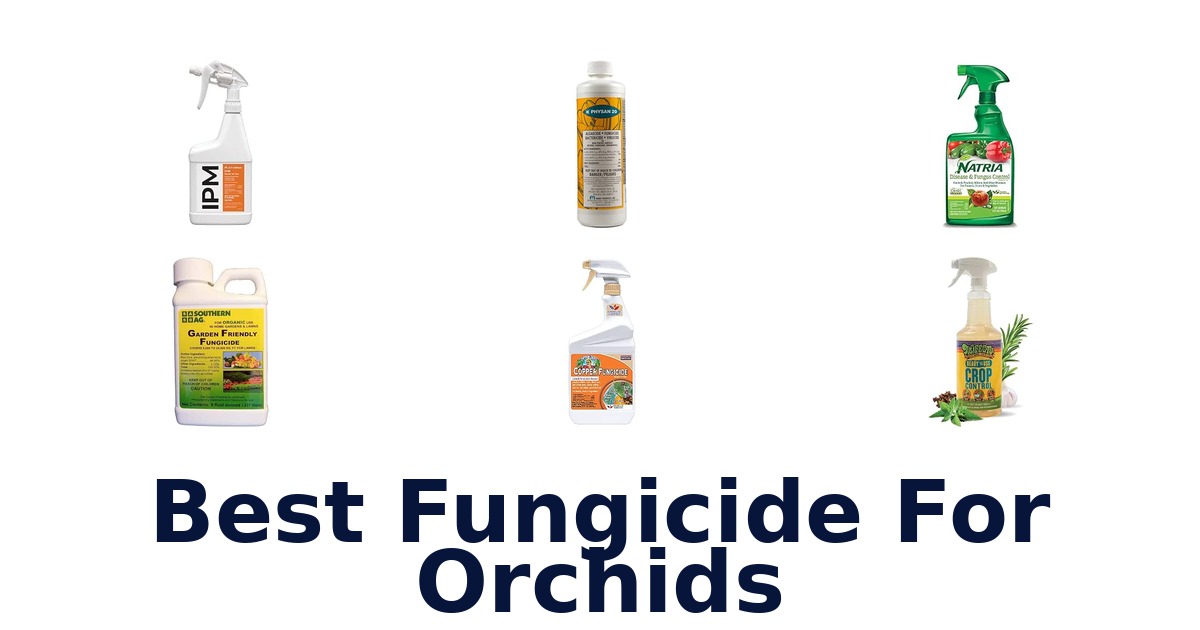
A strong orchid fungicide should explicitly list orchids or clearly describe plant-pathogen control, with application directions suited to the affected plant and growing setup. Hydrofarm Physan 20 is the clearest match here: its listing names orchids and describes use on plants and hard surfaces. Other options in this roundup target broader garden diseases or combine fungicide claims with insect and mite control, so check the label for orchid compatibility before use.
The products also differ in format: ready-to-use sprays, liquids, and a concentrate may suit different treatment routines. Compare the stated disease coverage and directions rather than assuming that a general garden fungicide is appropriate for every orchid.
Always follow the product label, especially for dilution, coverage, and repeat applications.
Hydrofarm Physan 20 is the best-supported choice for orchids in this product set because its listing specifically names orchids among its applications. It is a liquid described as a broad-range disinfectant, fungicide, virucide, and algaecide, with use on plants and hard surfaces. The listing does not specify orchid disease targets or application rates, so confirm those details and follow its label before treating a plant.
The other ranked options have broader garden or houseplant claims but do not explicitly name orchids in the supplied data.
Our Top Picks
 Best Overall
Its listing explicitly names orchids and describes broad pathogen control on plants and hard surfaces, making it the most direct match for this use.
View on Amazon Ready-to-Use Pick
This spray is listed for flowers and controls common diseases including blight and black spot; directions specify leaf coverage and repeat treatment.
View on Amazon Concentrate Option
The concentrate targets listed diseases including powdery mildew, downy mildew, and rust, and is described for ornamentals and other plants.
View on Amazon- Organic Gardening Natria Copper Spray
Compare the Orchid Fungicide Options
| # | Product | Weight | Form | Buy |
|---|---|---|---|---|
| 1 | 1. Hydrofarm Physan 20Best Overall | 0.27 kg | Liquid | View on Amazon |
| 2 | 2. Bonide Ready-to-Use CopperReady-to-Use Pick | 16 oz | Spray | View on Amazon |
| 3 | 3. Bonide Copper ConcentrateConcentrate Option | 1.3 lb | Liquid | View on Amazon |
| 4 | 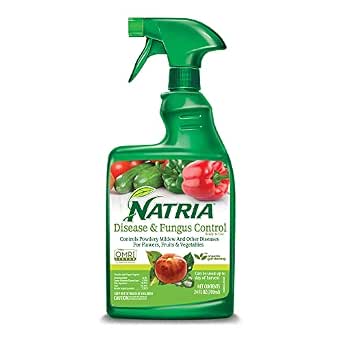 4. Natria Copper SprayOrganic Gardening | 1.6 lb | Spray | View on Amazon |
| 5 |  5. Garden Safe Fungicide3Neem oil for fungus and mites | 2.3 lb | Spray | View on Amazon |
| 6 |  6. Trifecta Crop ControlPlant-based multi-pest spray | — | Spray | View on Amazon |
| 7 |  7. Monterey Liqui-CopCopper spray for broad garden coverage | 1.24 kg | — | View on Amazon |
| 8 |  8. BioAdvanced 3-in-1 SprayRainproof systemic multi-pest spray | 1.5 lb | Spray | View on Amazon |
| 9 |  9. Athena IPM SprayContact treatment for mites and mildew | — | — | View on Amazon |
| 10 |  10. Root 98 Bio FungicideOrganic biofungicide listing | 8 oz | Spray | View on Amazon |
Detailed Reviews: Best Fungicide For Orchids
#1 · Best Overall
1. Hydrofarm Physan 20
- Weight: 0.27 kg
- Form: Liquid
Best for: Orchid and surface pathogen control.
Why it ranks #1: Its listing explicitly names orchids and describes broad pathogen control on plants and hard surfaces, making it the most direct match for this use.
Physan 20 explicitly lists orchids alongside hard, non-porous surfaces, giving growers one liquid product for plant and greenhouse-area pathogen control. Its algaecide, fungicide, bactericide, and virucide roles make it relevant when orchid care extends beyond visible fungal symptoms to sanitation around the growing space.
The product is described for general control of plant pathogens on inanimate hard surfaces and is also listed for orchids, ornamentals, seedlings, and cut flowers. That combination can fit growers managing plants and non-porous greenhouse surfaces within the same care routine. Its four stated roles—algaecide, fungicide, bactericide, and virucide—cover several pathogen categories, though the supplied information does not provide application directions or specific orchid disease targets. The 16-ounce liquid format is the listed size.
- Explicitly listed for orchids
- For non-porous hard surfaces as well as plants
- Combines algaecide, fungicide, bactericide, and virucide roles
- Applications include greenhouses, seedlings, and cut flowers
- The supplied product information gives no application directions or named orchid diseases.
Skip it if you need stated application steps or specific disease targets; Bonide Captain Jack’s ready-to-use spray lists application directions and common diseases.
This is a fit for orchid growers seeking a product listed for both plants and non-porous greenhouse surfaces, especially when broad pathogen categories matter. The supplied information does not identify orchid diseases or explain how to apply it.
Full product details
| Brand | Hydrofarm |
|---|---|
| Included Components | 1 |
| Item Form | Liquid |
| Item Weight | 0.27 kg |
| Manufacturer | Hydrofarm |
| Model Number | PSPTA20 |
| Special Features | organic |
| Additional Information | Important information Safety Information safety_warning Directions Not_Applicable |
Listed on Amazon as: Physan PSPTA20 Algaecide, Fungicide, Bactericide, Virucide, 16-Ounce
View on Amazon#2 · Ready-to-Use Pick
2. Bonide Ready-to-Use Copper
- Weight: 16 oz
- Form: Spray
Best for: Organic garden ready-to-use spray.
Why it ranks #2: This spray is listed for flowers and controls common diseases including blight and black spot; directions specify leaf coverage and repeat treatment.
Ready-to-use liquid copper means this Bonide spray can go straight to application without a mixing step, a practical advantage when an orchid or garden plant first shows disease. Its organic-gardening approval and coverage of several common diseases make it a flexible option for growers managing more than one kind of plant.
The spray is listed for control and prevention of a wide range of plant diseases, including black spot and powdery mildew, so it can serve broader garden-care needs beyond orchids. Directions call for shaking well and treating both leaf surfaces, then repeating every seven to ten days. That repeat schedule makes ongoing care part of the routine, while the ready-to-use format avoids measuring or diluting concentrate. Organic-gardening approval is also relevant for growers tending edible plants and flowers.
- Ready-to-use spray requires no dilution step
- Approved for organic gardening
- Controls and helps prevent a range of listed diseases
- Directions specify treatment of upper and lower leaf surfaces
- The supplied directions call for repeat applications every seven to ten days.
Skip it if you want a concentrate to dilute for repeated treatments; Bonide Captain Jack Copper Fungicide Concentrate offers that format.
This suits orchid growers who want a ready-to-use copper spray that also covers listed garden diseases and value organic-gardening approval. Account for the specified repeat-treatment schedule and apply to both sides of leaves as directed.
Full product details
| Brand | Bonide |
|---|---|
| Included Components | Captain Jack's Copper Fungicide, 16 oz Ready-to-Use Spray for Organic Gardening |
| Item Form | Spray |
| Item Weight | 16 ounces |
| Manufacturer | Bonide |
| Model Number | 7756A |
| Special Features | Breathable |
| Warranty Description | DISCLAIMER OF EXPRESSED AND IMPLIED WARRANTIES: Buyer assumes all risks of use, storage and handling of this material not in strict accordance with directions given herewith. |
| Additional Information | Important information Safety Information Keep out of reach of children Directions 1) Shake well. 2) Thoroughly apply to tops and undersides of leaves. 3) Treat 2 weeks before disease normally occurs or when disease first appears. 4) Repeat every 7-10 days. See label for complete instructions. |
Listed on Amazon as: Bonide Captain Jack's Copper Fungicide, 32 oz Ready-to-Use Spray for Organic Gardening, Controls Common Diseases, for All Plants
View on Amazon#3 · Concentrate Option
3. Bonide Copper Concentrate
- Weight: 1.3 lb
- Form: Liquid
Best for: Copper concentrate for plant collections.
Why it ranks #3: The concentrate targets listed diseases including powdery mildew, downy mildew, and rust, and is described for ornamentals and other plants.
A concentrated liquid copper formula lets growers prepare a spray for treating plant surfaces, rather than starting with a ready-to-use bottle. Bonide lists control of diseases such as powdery mildew, downy mildew, black spot, peach leaf curl, and rust, with organic-gardening approval and use through harvest.
The concentrate is listed for vegetables, roses, fruits, nuts, herbs, ornamentals, and turf, making it suited to orchid growers who also maintain a varied garden. Directions call for thorough coverage of the tops and undersides of leaves and repeat applications every seven to ten days as needed. Those instructions provide a defined treatment routine, while the concentrate format requires preparation before spraying. Its stated disease range includes several common fungal problems, including powdery mildew and rust.
- Concentrated format for preparing treatment as needed
- Approved for organic gardening
- Lists powdery mildew, downy mildew, black spot, and rust
- Directions specify full leaf-surface coverage and repeat timing
- The concentrate requires preparation before application.
Skip it if you want to spray without mixing; Bonide Captain Jack’s Copper Fungicide ready-to-use spray avoids a dilution step.
This suits growers with orchids among a wider range of ornamentals and garden plants who are comfortable preparing concentrate and following a repeat schedule. Its disease list and organic-gardening approval are useful, but it is not the ready-to-use option.
Full product details
| Brand | Bonide |
|---|---|
| Included Components | Captain Jack's Copper Fungicide, 16 oz |
| Item Form | Liquid |
| Item Weight | 1.3 pounds |
| Manufacturer | Bonide Products LLC |
| Model Number | 811 |
| Special Features | Breathable |
| Warranty Description | Warranty |
| Additional Information | Important information Safety Information Keep out of reach of children Directions Apply thoroughly to the tops and undersides of leaves and all plant surfaces on affected plants. Repeat every 7-10 days as needed. |
Listed on Amazon as: Bonide Captain Jack Copper Fungicide 16 oz Concentrated Plant Disease Control Solution for Organic Gardening
View on Amazon#4 · Organic Gardening
4. Natria Copper Spray
- Weight: 1.6 lb
- Form: Spray
Best for: Organic copper disease coverage.
Why it ranks #4: Its OMRI-listed fixed-copper spray covers several named diseases and is described for a variety of plants, though orchids are not specified.
An OMRI-listed fixed-copper spray can be used in organic and hydroponic gardening, giving orchid growers flexibility across those growing approaches. Natria names diseases including powdery mildew, rust, black spot, and downy mildew, and says it helps protect buds, flowers, and foliage from disease damage.
The ready-to-use spray pairs fixed copper disease control with coverage for buds, flowers, and foliage, which makes it relevant to growers concerned about more than leaves alone. Its listed targets include powdery mildew, rust, black spot, fruit rot, downy mildew, and late blight. OMRI listing and suitability for hydroponic gardening add compatibility for growers using those methods. For edible plants, the product may be applied through the day of harvest, according to the supplied information.
- OMRI-listed for organic gardening
- Suitable for organic and hydroponic gardening
- Lists several diseases, including powdery mildew and rust
- Helps protect buds, flowers, and foliage
- The supplied information does not give an application interval.
Skip it if you need a stated repeat schedule; Garden Safe Fungicide3 specifies a seven-to-14-day prevention schedule for listed diseases.
Choose this for orchid and mixed-plant care when organic or hydroponic compatibility and coverage of flowers and foliage are priorities. The supplied facts do not state a repeat interval, so it offers less scheduling guidance than products that list one.
Full product details
| Brand | Natria |
|---|---|
| Included Components | 24 Oz Natria Disease Fungus Control |
| Item Form | Spray |
| Item Weight | 1.6 pounds |
| Manufacturer | SBM Life Science |
| Model Number | 820049B |
| Warranty Description | Warranty |
Listed on Amazon as: Natria Disease and Fungus Control Spray with Copper Fungicide – 24 fl oz
View on Amazon#5
5. Garden Safe Fungicide3
- Weight: 2.3 lb
- Form: Spray
Best for: Neem oil for fungus and mites.
Why it ranks #5: The neem-oil spray is described for houseplants and controls listed fungal diseases; its directions emphasize full coverage and careful timing.
Neem oil is the active ingredient in this ready-to-use three-in-one spray, combining fungicide, insecticide, and miticide roles for growers managing multiple plant concerns. Garden Safe lists black spot, rust, and powdery mildew, as well as aphids, whiteflies, and spider mites, for home and garden plants.
The spray targets fungal diseases alongside insects and spider mites, which can streamline care when orchid growers are also managing those listed pests. Its directions require complete coverage of plant tissue, including leaf undersides, and recommend early morning or late evening application to minimize potential leaf burn. For disease prevention, the supplied facts give a seven-to-14-day schedule. Those coverage and timing requirements matter when planning regular treatment rather than applying only to visible leaf surfaces.
- Ready-to-use spray with neem oil as active ingredient
- Combines fungicide, insecticide, and miticide functions
- Lists powdery mildew, rust, black spot, and spider mites
- Provides prevention interval of seven to 14 days
- Applications need timing to early morning or late evening to minimize potential leaf burn.
Skip it if you need a product explicitly listed for hydroponic gardening; Natria Disease and Fungus Control states that compatibility.
This is suited to orchid growers who want listed fungus, insect, and mite targets covered together and can manage thorough plant coverage. Follow the specified timing precaution and avoid treating it as a fungus-only spray.
Full product details
| Brand | Garden Safe |
|---|---|
| Item Form | Spray |
| Item Weight | 2.3 pounds |
| Manufacturer | United Industries |
| Model Number | HG-93259 |
Listed on Amazon as: Garden Safe Brand Fungicide3 with Neem Oil, For Organic Gardening, 32 Oz
View on Amazon#6
6. Trifecta Crop Control
- Form: Spray
Best for: Plant-based multi-pest spray.
Why it ranks #6: This ready-to-use plant spray names powdery mildew and Botrytis among its targets and is described for indoor and outdoor plants.
Trifecta Crop Control combines fungicide, miticide, and insect-control roles in a ready-to-use plant-based spray, letting growers address several listed plant problems with one product. Its coverage includes spider mites and powdery mildew, alongside soft-bodied pests such as aphids and whiteflies on indoor and outdoor plants.
The product is described as biodegradable and suitable for edible crops without chemical residues, which may suit growers tending houseplants as well as edible plants. Its stated targets span powdery mildew and Botrytis as well as spider mites, fungus gnats, aphids, and whiteflies. Ready-to-use application with an atomizer, misting system, or spraying apparatus supports different application setups. The directions advise thoroughly wetting plants, and handling information calls for eye protection and gloves.
- Ready-to-use formula for indoor and outdoor plants
- Combines fungicide, miticide, and insect-control roles
- Lists powdery mildew and Botrytis among targets
- Can be applied with an atomizer, misting system, or sprayer
- Handling directions call for gloves and eye protection.
Skip it if you prefer a copper fungicide with a named disease schedule; Garden Safe Fungicide3 provides a stated seven-to-14-day prevention interval.
This fits orchid growers who also want listed insect and mite targets addressed and have a suitable sprayer or misting setup. Follow its handling precautions, and note that the supplied information does not state a disease-treatment interval.
Full product details
| Brand | Trifecta |
|---|---|
| Item Form | Spray |
| Manufacturer | Trifecta |
Listed on Amazon as: Trifecta Crop Control Ready to Use Maximum Strength Natural Pesticide, Fungicide, Miticide, Insecticide, Help Defeat Spider Mites, Powdery Mildew, Botrytis and Mold on Plants 32 OZ Size
View on Amazon#7
7. Monterey Liqui-Cop
- Weight: 1.24 kg
Best for: Copper spray for broad garden coverage.
Why it ranks #7: Liqui-Cop lists disease prevention for ornamentals and targets downy mildew, botrytis blight, and leaf spot, but gives no orchid-specific claim.
Monterey Liqui-Cop names a broad range of plant diseases and includes a measuring spoon, giving growers a defined copper-spray option for varied garden plantings. Its listed use spans fruit trees, nut crops, vegetables, and ornamentals, while the supplied description says it can be used during dormant and growing seasons.
The disease list includes anthracnose, brown rot, blight, downy mildew, botrytis blight, and leaf spot, allowing the spray to serve multiple garden plants rather than a single crop. Use is stated for fruit trees, nut crops, vegetables, and ornamentals, which supports a mixed-plant care routine. The measuring spoon provides a tool for preparing the spray, and the product is described for dormant as well as growing-season use. Supplied facts do not specifically name orchids.
- Lists a broad range of plant diseases
- For fruit trees, nut crops, vegetables, and ornamentals
- Described for dormant and growing-season use
- Includes a measuring spoon
- The supplied use examples do not specifically name orchids.
Skip it if you need an explicit orchid listing; Physan 20 names orchids among its applications.
This fits growers wanting a copper fungicidal spray for varied garden plants and dormant or growing-season use. Orchid-specific use is not stated in the supplied details, so consider that boundary when selecting treatment for an orchid collection.
Full product details
| Brand | Monterey |
|---|---|
| Item Weight | 1.24 kg |
Listed on Amazon as: Monterey Liqui-Cop Fungicidal Spray, 32 oz with Measuring Spoon
View on Amazon#8
8. BioAdvanced 3-in-1 Spray
- Weight: 1.5 lb
- Form: Spray
Best for: Rainproof systemic multi-pest spray.
Why it ranks #8: Its spray controls listed fungal diseases and spider mites, with stated rainproof protection lasting up to 30 days; orchid suitability is not stated.
Systemic rainproof protection lasting up to 30 days is the defining feature of this ready-to-use BioAdvanced spray, reducing how often weather may disrupt protection. It combines disease control with insect and mite control, listing powdery mildew, black spot, aphids, and spider mites among its targets.
The spray is presented as a three-in-one product that kills and controls listed insects, protects against fungal diseases, and controls spider mites. Its rainproof systemic protection is stated to last up to 30 days, a useful feature for outdoor plant care where rain could otherwise wash away surface treatment. The product is listed for roses, trees, and other plants, though the supplied facts do not specifically name orchids. Its ready-to-use form avoids mixing concentrate.
- Ready-to-use spray requires no concentrate mixing
- Systemic rainproof protection lasts up to 30 days
- Combines insect, disease, and mite control
- Lists powdery mildew and black spot among disease targets
- The supplied plant-use examples do not specifically name orchids.
Skip it if you require an explicit orchid listing; Physan 20 names orchids among its stated plant applications.
Consider this for growers who value longer-lasting, rainproof protection alongside fungal, insect, and mite control on listed plants. Orchid use is not specifically named in the supplied details, so check that plant fit before choosing it.
Full product details
| Brand | BioAdvanced |
|---|---|
| Included Components | insect, disease, and mite control |
| Item Form | Spray |
| Item Weight | 1.5 pounds |
| Manufacturer | SBM Life Science |
| Model Number | 701290B |
| Additional Information | Important Information Proposition 65 Warning for California Consumers WARNING: Cancer and Reproductive Harm – www.P65Warnings.ca.gov |
Listed on Amazon as: BioAdvanced 3-in-1 Insect, Disease, and Mite Control Spray – 24 fl oz
View on Amazon#9
9. Athena IPM Spray
Best for: Contact treatment for mites and mildew.
Why it ranks #9: The ready-to-use spray claims contact treatment for powdery mildew and several pests, but the supplied listing does not identify orchids.
Contact action against spider mites and powdery mildew is the central use case for Athena IPM, making it relevant when growers want those problems addressed directly. Its ready-to-use spray also lists aphids and thrips, while the supplied information identifies EPA 25(b) minimum-risk ingredients.
Athena lists contact treatment for powdery mildew and several pests, including spider mites, aphids, and thrips. That combination may suit orchid growers whose care concerns include both mildew and those insects. The ready-to-use format avoids a mixing step, and the product is described as versatile for use from start to finish. The supplied safety information says to keep it out of reach of children and pets and to store it in a cool, dry place away from heat and open flames.
- Ready-to-use spray requires no mixing
- Lists contact treatment for powdery mildew
- Targets spider mites, aphids, and thrips
- Identifies EPA 25(b) minimum-risk ingredients
- The supplied information does not name an orchid-specific use or disease schedule.
Skip it if you want a product explicitly listed for orchids; Physan 20 names orchids among its applications.
This may suit orchid growers focused on contact treatment for listed pests and powdery mildew who prefer a ready-to-use product. Orchid-specific use and repeat timing are not stated in the supplied details, so those fit considerations remain unresolved.
Full product details
| Brand | Athena |
|---|
Listed on Amazon as: Athena IPM Insecticide & Fungicide Pest Control Ready to Use Spray
View on Amazon#10
10. Root 98 Bio Fungicide
- Weight: 8 oz
- Form: Spray
Best for: Organic biofungicide listing.
Why it ranks #10: The listing identifies an organic bio fungicide spray but supplies no disease targets, orchid directions, or other supporting use details.
The product is identified as an organic biofungicide in an 8-ounce spray, giving its clearest distinction to growers seeking a smaller-format biological fungicide option. Root 98 Warehouse supplies little additional product detail in the listing, so buyers should weigh that limited information when comparing it with orchid products that name disease targets.
The title identifies this as an organic garden biofungicide, while the specifications list an 8-ounce size and spray form. Those facts establish the product category and format, but the supplied details do not name target diseases, orchid suitability, active ingredients, or application directions. That limits how specifically an orchid grower can assess treatment fit or plan a care schedule from this listing alone. Its compact stated size may be relevant for buyers seeking a smaller quantity.
- Identified as an organic biofungicide
- Listed in spray form
- 8-ounce product size stated
- Biofungicide category is explicit in the title
- The supplied listing does not identify target diseases or application directions.
Skip it if you need named orchid diseases and application guidance; Bonide Captain Jack’s ready-to-use spray lists disease targets and treatment directions.
This is for buyers primarily seeking an organic biofungicide in a stated 8-ounce spray format. Orchid suitability and disease coverage are not established by the supplied details, so growers needing a specific treatment plan may prefer a more fully described option.
Full product details
| Brand | Root 98 Warehouse |
|---|---|
| Included Components | 1 bottle |
| Item Form | Spray |
| Item Weight | 8 ounces |
| Manufacturer | Southern Ag |
| Model Number | 5171 |
| Special Features | special_feature |
| Additional Information | Important information Safety Information safety_warning Directions Not_Applicable |
Listed on Amazon as: Root 98 Warehouse Garden Friendly Bio Fungicide Organic (8 oz)
View on AmazonWhy a general plant fungicide may miss the mark on orchids
A general plant-fungicide claim does not establish that a product is suitable for every orchid or every symptom. In this set, only Hydrofarm Physan 20 explicitly names orchids; the copper products and other sprays describe flowers, ornamentals, houseplants, or a variety of plants instead. That difference matters because a listed disease target is not the same as confirmed orchid-specific directions.
Another failure mode is treating a symptom without identifying its cause: discoloration or a mark on a leaf does not, by itself, prove a fungal infection. Before applying anything, check the product label for the orchid type, application method, and target disease.
If the label does not clearly cover the intended use, ask a qualified plant-care professional rather than assuming that broad garden wording is enough. Keep the treatment plan tied to the label, not just the product category.
Match the treatment format to the label directions
The format can affect how you prepare and apply a treatment, but it does not establish orchid compatibility. The set includes ready-to-use sprays such as Bonide Ready-to-Use Copper, liquids such as Hydrofarm Physan 20, and Bonide Copper Concentrate. The listings provide different directions: the ready-to-use copper spray says to shake well and cover both sides of leaves, while Bonide Copper Concentrate instructs users to apply thoroughly and repeat every 7–10 days as needed.
Do not transfer a dilution rate, schedule, or coverage instruction from one product to another. A concentrate may require preparation, while a ready-to-use product avoids that step; neither is automatically the better choice for an orchid.
Check the actual container for orchid use, dilution, and application details. Stop short of treating if the supplied label does not address your intended plant or condition.
How to Choose an Orchid Fungicide
Explicit orchid coverage
Look first for a label or listing that names orchids, rather than relying only on broad claims for garden plants. Hydrofarm Physan 20 is the only supplied listing that explicitly includes orchids. Bonide Ready-to-Use Copper is described for flowers, while Garden Safe Fungicide3 names houseplants; neither description specifically confirms orchid use.
Several other products mention ornamentals or a variety of plants. That makes the decision straightforward: prioritize explicit orchid wording when it is available, and verify the product label before using broader-use options.
Buyers who want the closest documented match should start with Hydrofarm Physan Buyers considering a general-purpose option should confirm orchid compatibility and the specific disease target on the package instead of inferring it from a broad plant list.
Application format and directions
Choose a format whose preparation and directions you can follow accurately. The products include ready-to-use sprays, liquids, and a concentrate: Bonide Ready-to-Use Copper is a spray, Hydrofarm Physan 20 is a liquid, and Bonide Copper Concentrate is a liquid concentrate. Their supplied directions are not interchangeable.
Bonide Ready-to-Use Copper calls for shaking and thorough leaf coverage, while Bonide Copper Concentrate says to apply to plant surfaces and repeat every 7–10 days as needed. A ready-to-use format suits someone seeking to avoid mixing, while a concentrate may suit a buyer comfortable following its label for preparation.
For orchids, use the format only if the actual label supports that plant and gives clear directions.
Disease and pest coverage
Match the stated target to the problem you are trying to address, and do not assume that broader coverage means a better orchid treatment. Bonide Copper Concentrate lists powdery mildew, downy mildew, black spot, peach leaf curl, and rust. Natria Copper Spray lists powdery mildew, rust, black spot, fruit rot, downy mildew, and late blight.
Garden Safe Fungicide3 names black spot, rust, and powdery mildew and also claims insect and mite control; BioAdvanced 3-in-1 likewise combines disease, insect, and mite claims. A buyer seeking a product with named fungal targets can compare those lists, while someone concerned about pests may prefer a combination product only if its label fits the plant.
None of those lists replaces orchid-specific directions or correct identification of the cause.
Which fungicide should I choose for my orchid?
Start with Hydrofarm Physan 20 if you want the only product in this set that explicitly names orchids; check its label for the intended disease and application directions. If you prefer a ready-to-use spray and are considering a broader plant product, Bonide Ready-to-Use Copper is listed for flowers and gives leaf-coverage directions, but verify orchid use before applying it. Bonide Copper Concentrate is another broad ornamental option with named fungal targets and a stated 7–10-day repeat interval as needed.
For buyers comparing disease and pest combinations, Garden Safe Fungicide3 or BioAdvanced 3-in-1 Spray lists both fungal and pest control, but neither is specifically identified for orchids here. If a product’s label does not confirm orchid suitability, do not infer compatibility from its general plant claims.
Related Buying Guides
Frequently Asked Questions
How can I tell whether an orchid’s spots or discoloration are caused by a fungus?
You usually cannot identify a fungal cause from spots alone. Look for changes that spread or develop new lesions, but also consider watering, light, temperature, and other stress. Since symptoms can overlap, check reliable plant-care guidance or consult an orchid specialist before treating.
Choose a fungicide only when its label covers the suspected problem and orchid use.
Should I isolate an orchid before applying a fungicide?
Yes, isolate a symptomatic orchid when practical, especially if nearby plants may be exposed to the same problem. Keep it separate while you assess symptoms and follow the fungicide label. Isolation can help limit contact between plants, but it does not establish that the issue is fungal or replace appropriate care and label directions.
How do I test a fungicide on an orchid without harming it?
Check the label first for orchid suitability, application directions, and any cautions; do not test a product whose label excludes orchids or leaves use unclear. If permitted, apply it to a small area as directed, then observe the plant for adverse changes before treating more. Never invent a dilution or exceed label directions.
What should I check on a fungicide label before treating an orchid?
Confirm that the label names orchids or otherwise clearly permits their use, and that it covers the suspected disease. Read the application rate, coverage instructions, repeat interval, and cautions before starting. The Physan listing specifically names orchids, but the supplied information does not identify orchid disease targets or application rates, so its label remains essential.
How do ready-to-use and concentrated fungicides differ?
A ready-to-use product is presented as a spray, while a concentrate requires preparation according to its label. The listed Bonide Copper options include both forms, but the supplied information does not provide mixing directions. For orchids, first verify that the product label permits orchid use, then follow its exact preparation and application instructions.
Final Words
Start with Hydrofarm Physan 20 if you want the only option in this set whose listing explicitly names orchids. Before use, verify that its label covers the suspected disease and follow the stated directions. For a ready-to-use alternative, Bonide Ready-to-Use Copper is listed for flowers, but confirm orchid suitability first.
Other products make broader plant claims; do not assume those claims establish orchid compatibility.