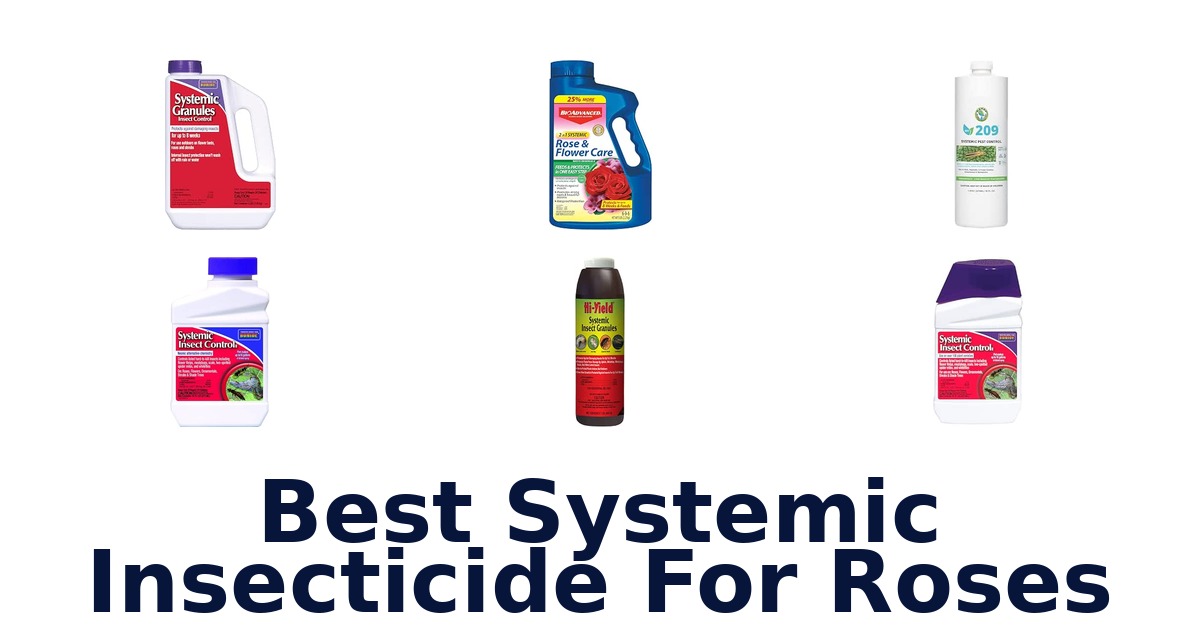
A strong systemic insecticide for roses matches the pest-control method you can apply consistently and the protection period stated on its label. Bonide Rose Rx Systemic Drench is the most direct fit for rose growers who want a pour-at-the-base treatment that also addresses listed plant diseases. Other options trade that rose-specific focus for features such as fertilizer, granules that move through the plant, or ready-to-spray application.
This roundup compares 10 products using their stated rose suitability, application formats, and protection claims rather than assuming that every systemic formula works the same way. Check each product label for approved plants, pests, timing, and directions before use; several products are explicitly limited to outdoor ornamentals and are not intended for vegetables or edible plants.
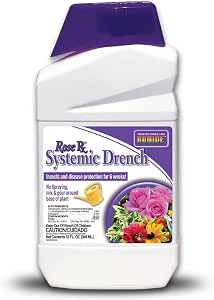
Bonide Rose Rx Systemic Drench is the strongest all-around match because it is made for roses and provides stated insect and disease control for up to six weeks. It is poured around the plant base, so it avoids spraying, and one quart is listed to treat up to 16 roses. Choose it when a rose-focused drench and combined protection matter more than fertilizer or a granular application.
Always confirm the label’s directions and listed pests for your garden.
Our Top Picks
 Best Overall
Rose-focused drench offers up to six weeks of insect and disease control, needs no spraying, and one quart treats up to 16 roses.
View on Amazon Best Dual Action
The rose, flower, and shrub formula combines insecticide and fungicide, with up to six weeks of protection applied as a base drench.
View on Amazon Best Feed and Protect
BioAdvanced Rose Care Granules
Rose granules combine fertilizer and insect control; apply by measuring, sprinkling, working into soil, and watering.
View on Amazon- Longest Listed Protection Hi-Yield Systemic Granules
- Ready-to-Use Granules Bonide Systemic Granules
Compare these systemic insecticide options for roses
| # | Product | Form | Weight | Warranty Description | Buy |
|---|---|---|---|---|---|
| 1 | 1. Bonide Rose Rx DrenchBest Overall | — | 2.4 lb | — | View on Amazon |
| 2 | 2. Fertilome 2-N-1Best Dual Action | Liquid | 0.27 g | Warranty | View on Amazon |
| 3 | 3. BioAdvanced Rose Care GranulesBest Feed and Protect | Granules | 5.4 lb | Warranty | View on Amazon |
| 4 | 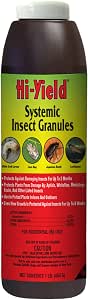 4. Hi-Yield Systemic GranulesLongest Listed Protection | Granules | 16 oz | — | View on Amazon |
| 5 |  5. Bonide Systemic GranulesReady-to-Use Granules | Granules | 16 oz | — | View on Amazon |
| 6 |  6. Bonide Systemic ConcentrateConcentrate for varied ornamentals | Spray | 16 oz | Warranty | View on Amazon |
| 7 |  7. Bonide Systemic Insect SprayReady-to-spray ornamental protection | Spray | 2.3 lb | Warranty | View on Amazon |
| 8 |  8. Hi-Yield Systemic Insect SprayHose-ready treatment for broad areas | Spray | — | — | View on Amazon |
| 9 |  9. SNS-209 Systemic ConcentrateBotanical systemic pest barrier | Spray | 16 oz | — | View on Amazon |
| 10 |  10. Bonide Systemic ConcentrateBonide concentrate for outdoor ornamentals | Spray | 16 oz | Warranty | View on Amazon |
Detailed Reviews: Best Systemic Insecticide For Roses
#1 · Best Overall
1. Bonide Rose Rx Drench
- Weight: 2.4 lb
Best for: No-spray rose and shrub care.
Why it ranks #1: Rose-focused drench offers up to six weeks of insect and disease control, needs no spraying, and one quart treats up to 16 roses.
A six-week combination of insect and disease protection sets Bonide Rose Rx apart for gardeners who want to treat more than insect damage. Pouring the drench at the plant base avoids spraying, while the label extends its use beyond roses to flowerbeds, azaleas, camellias, and other shrubs.
The systemic drench addresses listed insects such as aphids and Japanese beetles alongside diseases including black spot, powdery mildew, and rust, making it relevant when both problems affect an ornamental planting. Apply by pouring around the base rather than spraying foliage. One quart treats up to 16 roses, and protection lasts up to six weeks. Its listed use on flowerbeds and shrubs can also suit a mixed garden, though application is limited to outdoor plants.
- Combines insect and disease control
- Up to six weeks of protection
- No spraying; pour at the plant base
- One quart treats up to 16 roses
- The listed protection period is six weeks, shorter than some granular products' stated eight weeks.
Skip it if you want root-absorbed granules with up to eight weeks of stated protection; Bonide Insect Control Systemic Granules may suit that schedule better.
Choose this for outdoor roses and ornamental beds where insect and disease protection in one pour-on treatment matters. Its six-week window and base-of-plant application make it less suited to shoppers seeking a longer-lasting granular routine.
Full product details
| Brand | Bonide |
|---|---|
| Included Components | Bonide Rose Rx Systemic Drench Concentrate, 32 oz |
| Item Weight | 2.4 pounds |
| Manufacturer | Arett Sales – LG |
| Model Number | 9636 |
Listed on Amazon as: Bonide Rose Rx Systemic Drench, 32 oz
View on Amazon#2 · Best Dual Action
2. Fertilome 2-N-1
- Form: Liquid
- Weight: 0.27 g
- Warranty Description: Warranty
Best for: Rose growers treating disease and insects.
Why it ranks #2: The rose, flower, and shrub formula combines insecticide and fungicide, with up to six weeks of protection applied as a base drench.
Fertilome’s 2-in-1 concentrate pairs insecticide and fungicide protection for up to six weeks, a useful distinction for roses facing both pests and disease. Mix it with water at the labeled rate, then pour around the plant base; the product also lists flowers and shrubs.
The systemic formula addresses insects such as aphids, borers, and thrips, as well as diseases including black spot and rust. Its base-of-plant application avoids spraying leaves, and the supplied facts say it protects the entire plant, including new growth. For roses, the listed rate is two fluid ounces in one quart of water per plant; flower beds use a separate rate, so measuring and mixing are part of the workflow.
- Combines insecticide and fungicide
- Up to six weeks of protection
- Protects new growth as well as the plant
- Base application avoids spraying leaves
- Requires measuring concentrate and mixing it with water.
Skip it if you want a fertilizer and insect control in ready-to-apply granules; BioAdvanced 2-in-1 Systemic Rose and Flower Care combines those functions.
A good fit for rose owners addressing listed insects and diseases with a measured, pour-on treatment. Choose another format if mixing is inconvenient; follow the separate labeled rates for roses and flower beds.
Full product details
| Brand | ferti-lome |
|---|---|
| Item Form | Liquid |
| Item Weight | 0.27 g |
| Manufacturer | Arett Sales – LG |
| Model Number | 10478 |
| Special Features | organic |
| Warranty Description | Warranty |
| Additional Information | Important Information Proposition 65 Warning for California Consumers WARNING: Cancer and Reproductive Harm – www.P65Warnings.ca.gov |
Listed on Amazon as: Fertilome (10478) 2-N-1 Systemic Insecticide + Fungicide, 32 oz
View on Amazon#3 · Best Feed and Protect
3. BioAdvanced Rose Care Granules
- Form: Granules
- Weight: 5.4 lb
- Warranty Description: Warranty
Best for: Rose feeding with granular pest control.
Why it ranks #3: Rose granules combine fertilizer and insect control; apply by measuring, sprinkling, working into soil, and watering.
Fertilizer and systemic insect control come together in BioAdvanced’s rose and flower granules, letting one soil application serve two garden tasks. Measure, sprinkle, work the granules into soil, and water them in; the listed plants include roses, iris, hibiscus, and ornamental shrubs.
The fertilizer promotes strong roots and blooms, while the systemic formula is absorbed through roots, linking feeding and pest control to the same soil-based routine. Listed targets include aphids, adult Japanese beetles, scales, and whiteflies. The granules suit gardeners who prefer working treatment into soil rather than spraying foliage, but application involves measuring, sprinkling, cultivating lightly, and watering. Its specified ornamental plant list includes roses and several flowering shrubs.
- Combines fertilizer and insect control
- Granular, soil-based application
- Promotes strong roots and blooms
- Controls listed pests including aphids and whiteflies
- Application requires working granules into soil and watering them in.
Skip it if you want a pour-on concentrate that also targets listed rose diseases; Fertilome 2-N-1 Systemic Insecticide + Fungicide combines insect and disease control.
Choose these granules if you want rose feeding and listed insect control in one soil-care step. They suit ornamental plants, but the measure-and-water routine is a consideration for gardeners seeking a spray or drench.
Full product details
| Brand | BioAdvanced |
|---|---|
| Item Form | Granules |
| Item Weight | 5.4 pounds |
| Manufacturer | SBM Life Science |
| Model Number | 701100A |
| Warranty Description | Warranty |
| Additional Information | Important information Directions Measure, sprinkle, work into soil, and water in. |
Listed on Amazon as: BioAdvanced 2-in-1 Systemic Rose and Flower Care Granules – 5 lb Bottle
View on Amazon#4 · Longest Listed Protection
4. Hi-Yield Systemic Granules
- Form: Granules
- Weight: 16 oz
Best for: Long-interval container and rose granules.
Why it ranks #4: For roses and other listed ornamentals, root-absorbed granules provide protection for up to two months, including new growth.
Up to two months of protection gives Hi-Yield Systemic Insect Granules a clear appeal for roses, flowers, shrubs, and containerized plants. The granules are absorbed through roots and move through the plant, with the supplied facts stating that new growth receives protection for up to eight weeks.
Application is a soil task: spread the granules over the top layer and cultivate them in lightly. The root-absorbed systemic action then moves through the plant, making this a fit for gardeners who prefer a granular treatment over a spray. Listed pests include aphids, whiteflies, leafminers, and lace bugs. The product is for ornamental plants and containerized plants, but its supplied facts exclude edible plants, which limits its use in mixed edible gardens.
- Up to two months of protection
- Root absorption carries treatment through the plant
- New growth protected for up to eight weeks
- Suitable for roses and containerized plants
- Not for edible plants.
Skip it if you want a ready-to-use treatment for outdoor plants with stated protection up to eight weeks; Bonide Insect Control Systemic Granules requires no mixing.
Choose these granules for ornamental roses and containers when extended systemic protection is the priority. They are not for edible plants, and application requires incorporating granules into the soil rather than spraying.
Full product details
| Brand | Hi-Yield |
|---|---|
| Included Components | B005DF75SM |
| Item Form | Granules |
| Item Weight | 16 ounces |
| Manufacturer | Hi-Yield |
| Model Number | 31228 |
| Special Features | Long-Lasting |
| Additional Information | Important information Safety Information safety_warning Directions Not_Applicable |
Listed on Amazon as: Hi-Yield (31228) Systemic Insect Granules, 1 lbs
View on Amazon#5 · Ready-to-Use Granules
5. Bonide Systemic Granules
- Form: Granules
- Weight: 16 oz
Best for: Ready-to-use outdoor plant granules.
Why it ranks #5: Ready-to-use outdoor granules are absorbed through roots and provide up to eight weeks of protection against listed insects.
Bonide’s ready-to-use granules provide up to eight weeks of insect protection without mixing, making them a straightforward soil treatment for outdoor plants. The treatment is absorbed through roots, moves through the plant, and is described as resistant to being washed away by water.
The granular format suits gardeners who want to apply treatment to soil rather than spray foliage. Listed pests include aphids, whiteflies, mealybugs, and scale, while the stated protection period reaches up to eight weeks. Bonide also describes the product as low odor and ready to use. Because its supplied facts specify outdoor plants, this is a fit for outdoor roses and ornamentals, not a general-purpose indoor treatment. Follow the label for application instructions.
- Ready to use without mixing
- Up to eight weeks of protection
- Root-absorbed treatment moves through plants
- Listed pests include aphids and scale
- Listed for outdoor plants, limiting its stated use to outdoor treatment.
Skip it if you need a product specifically listing disease control alongside insect protection; Bonide Rose Rx Systemic Drench covers both for roses.
This suits outdoor rose and ornamental gardeners who prefer low-odor, ready-to-use granules and a stated interval of up to eight weeks. Its outdoor-use listing is the main boundary when choosing a treatment.
Full product details
| Brand | Bonide |
|---|---|
| Included Components | Bonide Insect Control Systemic Granules, 4 lbs. Ready-to-Use |
| Item Form | Granules |
| Item Weight | 16 ounces |
| Manufacturer | Bonide Products LLC |
| Model Number | 95349 |
| Special Features | Ready-to-Use |
| Additional Information | Important information Safety Information Keep Out Of Reach Of Children Ingredients Imidacloprid Directions See label for full instructions |
Listed on Amazon as: Bonide Insect Control Systemic Granules, 4 lbs
View on Amazon#6
6. Bonide Systemic Concentrate
- Form: Spray
- Weight: 16 oz
- Warranty Description: Warranty
Best for: Concentrate for varied ornamentals.
Why it ranks #6: The concentrate is labeled for roses and more than 100 plant varieties; it makes 16 gallons and controls listed insects systemically and on contact.
A 16-ounce concentrate that makes 16 gallons gives Bonide Systemic Insect Control a practical role in larger outdoor ornamental gardens. It is labeled for roses and more than 100 plant varieties, with listed targets including thrips, mealybugs, scale, spider mites, and whiteflies.
The concentrate is intended for outdoor residential use and controls listed insects through contact and systemic ingestion, addressing pests in more than one way. Mixing with fungicides or fertilizer is also listed as an option for a combination spray application. Because the product is not intended for vegetable or fruit plants, its broad plant coverage is specifically useful for ornamental beds, roses, shrubs, and trees rather than edible gardens. The liquid format requires mixing before application.
- Makes 16 gallons from 16 ounces
- Labeled for roses and over 100 plant varieties
- Controls listed pests including thrips and scale
- Can be mixed with fungicides or fertilizer
- Requires mixing before application.
Skip it if you want a no-mix hose application; Hi-Yield Systemic Insect Spray RTS connects to a hose without measuring or mixing.
This concentrate suits rose growers managing several kinds of outdoor ornamentals and willing to mix a spray. Keep its label restriction in mind: it is not intended for vegetable or fruit plants, and it is not a ready-to-use treatment.
Full product details
| Brand | Bonide |
|---|---|
| Included Components | Bonide Systemic Insect Control, 16 oz Concentrate |
| Item Form | Spray |
| Item Weight | 16 ounces |
| Manufacturer | TV Non-Branded Items |
| Model Number | 941 |
| Special Features | special_feature |
| Warranty Description | Warranty |
| Additional Information | Important information Safety Information Keep out of reach of children Directions Not_Applicable |
Listed on Amazon as: Bonide Systemic Insect Control, 16 oz Concentrate Long Lasting Insecticide for Outdoor Gardening, Makes 16 Gallons
View on Amazon#7
7. Bonide Systemic Insect Spray
- Form: Spray
- Weight: 2.3 lb
- Warranty Description: Warranty
Best for: Ready-to-spray ornamental protection.
Why it ranks #7: This ready-to-spray outdoor ornamental product can be used on roses and delivers spray up to 25 feet with its twist-and-shoot sprayer.
Bonide’s twist-and-shoot sprayer sends ready-to-spray contents up to 25 feet, offering reach for outdoor ornamental treatment without mixing. It can also be turned to a gentle spray for shrubs, and its listed uses include roses, flowers, trees, shrubs, and ornamentals.
The ready-to-use bottle supports quick application, with the sprayer providing either a directed stream or gentle spray for shrubs. Bonide describes systemic protection against chewing insects from inside the plant and says it will not wash off. This makes the product relevant to outdoor rose and ornamental care, but it is not listed for vegetables. Some specific fruit may be treated according to the label, so the listed crop restrictions matter when planning a mixed garden.
- Ready to spray without mixing
- Twist-and-shoot reach up to 25 feet
- Gentle spray setting for shrubs
- Systemic protection against chewing insects
- Not listed for use on vegetables.
Skip it if you need a treatment that combines listed insect and disease control without spraying; Bonide Rose Rx Systemic Drench is poured at the plant base.
Choose this for outdoor roses and ornamentals where a ready-to-spray applicator and reach are useful. It is not listed for vegetables, so keep edible beds separate and consult the label for any specific fruit use.
Full product details
| Brand | Bonide |
|---|---|
| Included Components | Bonide Systemic Insect Spray with Systemaxx, 32 oz Ready-to-Spray |
| Item Form | Spray |
| Item Weight | 2.3 pounds |
| Manufacturer | TV Non-Branded Items |
| Model Number | BND939 |
| Warranty Description | Warranty |
| Additional Information | Important information |
Listed on Amazon as: Bonide Systemic Insect Spray with Systemaxx, 32 oz
View on Amazon#8
8. Hi-Yield Systemic Insect Spray
- Form: Spray
Best for: Hose-ready treatment for broad areas.
Why it ranks #8: The hose-connected spray needs no mixing or measuring and is listed for flowers and shrubs, though rose-specific details are limited.
A hose-connected, no-mix bottle makes Hi-Yield Systemic Insect Spray RTS useful when preparing a measured concentrate is not part of the plan. It lists flowers, shrubs, ornamentals, lawns, and fruit and nut trees, with coverage of up to 5,333 square feet of lawn per 32-ounce bottle.
The ready-to-spray format connects directly to a hose, eliminating mixing and measuring for application. Listed targets include aphids, white grubs, mole crickets, leafminers, and scale, while the product is intended for several outdoor settings from roses and flowers to lawns. Its stated residual control lasts two to four weeks, so the convenience comes with a shorter specified interval than products listing six or eight weeks. Follow label timing for the plant and pest being treated.
- No mixing or measuring required
- Connects to a hose for application
- Covers up to 5,333 square feet of lawn
- Labeled for flowers, shrubs, and lawns
- Stated residual control is two to four weeks.
Skip it if you want a longer stated interval for rose granules; Hi-Yield Systemic Insect Granules lists up to two months of protection.
This fits gardeners treating a lawn and ornamental plants who value hose application and broad listed coverage. Its two-to-four-week residual period is a key boundary for rose growers planning treatment intervals.
Full product details
| Brand | Hi-Yield |
|---|---|
| Item Form | Spray |
| Manufacturer | Hi-Yield |
| Model Number | 30206 |
| Additional Information | Important Information Proposition 65 Warning for California Consumers WARNING: Cancer and Reproductive Harm – www.P65Warnings.ca.gov |
Listed on Amazon as: Hi-Yield (30206) Systemic Insect Spray RTS, 32 oz
View on Amazon#9
9. SNS-209 Systemic Concentrate
- Form: Spray
- Weight: 16 oz
Best for: Botanical systemic pest barrier.
Why it ranks #9: Its botanical systemic approach may appeal to gardeners seeking botanical extracts, but the supplied details do not specifically list roses.
SNS-209 uses rosemary-derived rosemaric acid that plants take up, forming its distinctive botanical approach to systemic pest control. When insects chew or suck on treated growth, the supplied description says they encounter the acid and stop eating, move on, or die.
The concentrate is described as using 100% pure botanical extracts that are water soluble, and its plant-uptake mechanism differs from a simple surface treatment. That makes it relevant to gardeners seeking a botanical systemic approach for roses, though the supplied product facts do not specify a rose application rate or protection duration. The information also says it is OMRI approved for organic gardening and safe around children and pets when used as directed; follow the product directions for use.
- Botanical extracts are the stated active approach
- Plant uptake creates a systemic pest barrier
- Water-soluble botanical extracts
- OMRI approved for organic gardening
- The supplied product details do not state a protection duration.
Skip it if you need a stated six-week rose-and-disease treatment; Bonide Rose Rx Systemic Drench lists both insect and disease protection for roses.
Consider SNS-209 if a botanical systemic approach is central to your rose-care choice. Its supplied facts explain the plant-uptake mechanism but do not give a rose rate or duration, so those details matter before selecting it.
Full product details
| Brand | Sierra Natural Science |
|---|---|
| Included Components | 1 bottle |
| Item Form | Spray |
| Item Weight | 16 ounces |
| Manufacturer | Sierra Natural Science |
| Model Number | 746048 |
Listed on Amazon as: Sierra Natural Science – SNS-209 Systemic Concentrate -1 Pint
View on Amazon#10
10. Bonide Systemic Concentrate
- Form: Spray
- Weight: 16 oz
- Warranty Description: Warranty
Best for: Bonide concentrate for outdoor ornamentals.
Why it ranks #10: This listing identifies Bonide 941 concentrate but supplies little detail beyond the 16-ounce size, so rose-use guidance is less clear.
Bonide 941 Systemic Insect Control is identified as a 16-ounce insecticide concentrate, a format that lets rose gardeners prepare treatment rather than rely on a ready-to-spray bottle. The supplied product information names it as systemic insect control, but gives few application details beyond its concentrate form.
This listing identifies Bonide 941 as a systemic insecticide concentrate in spray form, with a 16-ounce size. It does not provide a specific rose-use direction, pest list, mix rate, or protection duration in the supplied facts, so those details cannot be evaluated here. The matching Bonide Systemic Insect Control information elsewhere describes outdoor ornamental use, but this listing alone does not establish those directions for this particular item. Check this product’s own label before applying it to roses.
- Systemic insect control concentrate
- 16-ounce concentrate format
- Spray form is specified
- Bonide 941 product identification
- The supplied listing does not state a rose application rate.
Skip it if you need product-specific rose directions and a stated mix rate; Bonide Systemic Insect Control, 16 oz Concentrate lists roses and outdoor ornamental use.
This may suit a buyer specifically seeking Bonide 941 concentrate, but the supplied listing lacks rose directions, pest targets, and duration. Confirm the product label provides the details needed before using it on roses.
Full product details
| Brand | Bonide |
|---|---|
| Included Components | PESTICIDE |
| Item Form | Spray |
| Item Weight | 16 ounces |
| Manufacturer | Bonide Product |
| Model Number | 941 |
| Warranty Description | Warranty |
| Additional Information | Important Information Proposition 65 Warning for California Consumers WARNING: Cancer and Reproductive Harm – www.P65Warnings.ca.gov |
Listed on Amazon as: Systemic Insect Cntrl Conc Pt Ca
View on AmazonWhy systemic treatment can miss the real rose problem
Systemic insecticide is not a cure-all for damaged rose leaves: the listed products target particular insects, and some also include fungicide for diseases. For example, Bonide Rose Rx Drench and Fertilome 2-N-1 list both insect and disease control, while Bonide Systemic Granules describe insect control. That distinction matters if black spots, mildew, or rust are being mistaken for insect damage.
A second failure mode is applying treatment after a serious infestation is established: Hi-Yield’s granules say to apply before pest problems or immediately when first seen, and its spray directions advise treatment when insects first appear and before populations become high. Identify the cause of damage, check that the pest appears on the product label, and follow its timing and dose.
A product’s systemic description alone does not establish that it controls every rose pest or disease.
Match the treatment format to the rose planting
The format changes how you apply the product and what you need to cover, so match it to the planting rather than choosing by the word systemic alone. Drenches such as Bonide Rose Rx and Fertilome 2-N-1 are poured near the plant base; Fertilome specifies 2 fluid ounces in 1 quart of water for one rose. Granules such as Hi-Yield Systemic Insect Granules are applied over the soil and lightly cultivated, while BioAdvanced granules are worked into soil and watered in.
Ready-to-spray options avoid mixing, but their spray directions and plant coverage still matter. Also check edible-plant restrictions: Bonide Systemic Insect Control Concentrate is not intended for vegetable or fruit plants, and Hi-Yield granules exclude edible plants.
Do not infer that a product’s broad ornamental listing permits use on every plant nearby; follow the label for the exact species and application site.
How to Choose a Systemic Insecticide for Roses
Rose-specific fit and control targets
Look for an explicit rose listing and a target that matches the problem you are treating. Bonide Rose Rx and Fertilome 2-N-1 both name roses and list insect and disease protection; Bonide Rose Rx names Japanese beetles, borers, and aphids alongside black spot, powdery mildew, and rust. BioAdvanced Rose Care Granules also name roses and list pests including aphids and adult Japanese beetles, while several general-purpose products list flowers or ornamentals without as much rose-specific detail.
For a suspected disease as well as insects, the dual-action options suit that need; for insect control alone, a granule or concentrate may be a better format match. Verify the specific pest or disease on the label rather than relying on a broad claim such as systemic control.
Application format and effort
Choose a format you can apply accurately to your rose bed. The two drenches, Bonide Rose Rx and Fertilome 2-N-1, are poured near the plant base and avoid foliar spraying; Fertilome provides a specific one-plant mixing rate. Granules are another no-spray route: Hi-Yield Systemic Granules go over soil and are lightly cultivated, while BioAdvanced granules are worked in and watered.
Bonide Systemic Insect Control Concentrate makes 16 gallons but requires dilution, whereas Bonide Systemic Insect Spray is ready to spray and has a twist-and-shoot applicator. Choose a drench or granules when you prefer soil application, a ready-to-spray bottle when you want to skip mixing, and concentrate when preparing a larger batch suits your routine.
Stated protection period
Compare the product’s stated protection window, but treat it as a label claim rather than a guarantee for every garden condition. Bonide Rose Rx and Fertilome 2-N-1 each state up to six weeks; Hi-Yield Systemic Insect Granules state up to two months, and Bonide Systemic Granules state up to eight weeks. Hi-Yield Systemic Insect Spray instead lists two to four weeks of control.
These claims make granules appealing when longer stated intervals are the priority, while the rose-focused drenches offer a defined six-week window with additional disease-control claims. Product directions, plant size, pest pressure, and local conditions can affect application needs, so do not extend intervals or repeat treatments based on the maximum duration alone.
Follow each label’s reapplication instructions.
Which Systemic Insecticide Should Rose Growers Choose?
Choose Bonide Rose Rx Drench if you want the clearest rose-specific option: it is poured at the base, avoids spraying, and lists up to six weeks of insect and disease control. For a similar base-drench approach with combined insecticide and fungicide, choose Fertilome 2-N-If feeding roses while controlling listed insects is the priority, BioAdvanced Rose Care Granules combine fertilizer and insect control.
For granular application with a longer stated protection window, Hi-Yield Systemic Granules list up to two months. Choose Bonide Systemic Insect Spray when you prefer a ready-to-spray applicator, or Bonide Systemic Concentrate when preparing a larger diluted batch is suitable.
Before buying, verify the target pest, plant eligibility, pollinator precautions, and directions on the product label.
Frequently Asked Questions
When should I apply systemic insecticide to roses during the growing season?
Follow the product label for application timing, frequency, and conditions; these instructions vary by product. Check that roses and the pest you want to control are listed, and account for any stated protection window before reapplying. If timing is unclear or the label does not cover your situation, consult the manufacturer or a local gardening expert.
Can systemic insecticides harm bees or other pollinators around roses?
They may pose risks to pollinators, depending on the product and how it is used. Before applying, read the label’s pollinator precautions, including any restrictions for flowering plants or application timing. Do not assume a drench, granule, or spray is pollinator-safe; follow all listed precautions and avoid treating roses when the label prohibits it.
How can I tell whether rose damage is caused by an insect or a disease?
Look for evidence that distinguishes feeding damage from disease, such as visible insects or characteristic holes versus spots, discoloration, or spreading lesions. These signs can overlap, so inspect both leaf surfaces and stems and compare symptoms across the plant. Select a product only after identifying a listed target; insecticides do not necessarily address disease.
What should I check before choosing a systemic product for roses?
Confirm that the label allows use on roses and lists the pest you need to control. Then compare the application method and any stated protection period with your preference: options here include base drenches, granules, sprays, and concentrates. Also review pollinator precautions and directions before making a selection.
Should I choose a drench, granules, spray, or concentrate?
Choose based on the application method you can use correctly and the product’s stated purpose. A drench is poured around the plant base, granules are applied in granular form, ready-to-spray products avoid mixing, and concentrates require preparation. Check each label for rose eligibility, target pests, directions, and precautions before use.
Final Words
For a rose-focused base drench with stated insect and disease control for up to six weeks, Bonide Rose Rx Systemic Drench is the clearest all-around choice; its listing says one quart treats up to 16 roses. Choose Fertilome 2-N-1 for a similar combined drench, BioAdvanced granules when feeding is also a priority, or a spray or concentrate if that format suits you. Check the label for rose use, target pests, directions, and pollinator precautions.