

Breakfast, the first meal of the day, is often described using a rich and varied vocabulary. Words like “scrambled,” “poached,” “crispy,” and “fluffy” h...
The phrase “nice to meet you” serves as the foundational cornerstone of social and professional etiquette in the English language, acting as a polite bridge between strangers and acquainta...
The English language is famous for its quirks, especially when it comes to forming the plural of nouns derived from Greek and Latin roots. When we encounter the word hippopotamus, we are faced with a ...

The English language is renowned for its reliance on phrasal verbs, and “put on” stands out as one of the most versatile and frequently used expressions in both spoken and written communic...

Discussing one’s upbringing is a fundamental aspect of language learning because it allows students to practice narrative tenses and descriptive vocabulary in a deeply personal context. When lea...

Acquiring a strong foundational vocabulary is the most critical step for any student learning English as a second language, as it provides the building blocks for every conversation and written intera...

The English language is filled with nuanced word pairs that often confuse even native speakers, particularly when those words share a common etymological root but have diverged in modern usage. Unders...
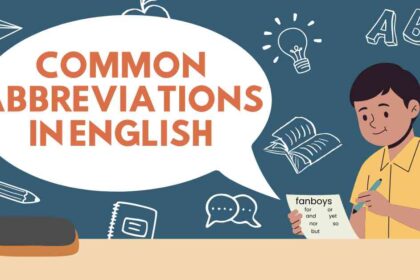
Abbreviations are shortened forms of words or phrases that allow for more efficient communication in both written and spoken English. These linguistic tools help speakers and writers save time and spa...

The English language is filled with irregular verbs that often leave learners and native speakers alike questioning the correct grammatical form to use in conversation and writing. When discussing wag...
Mastering the intricacies of the English language often requires a close examination of homophones and words that sound similar but possess vastly different meanings. One of the most common points of ...