
The English language is filled with irregular verbs that often leave learners and native speakers alike questioning the correct grammatical form to use in conversation and writing. When discussing wag...
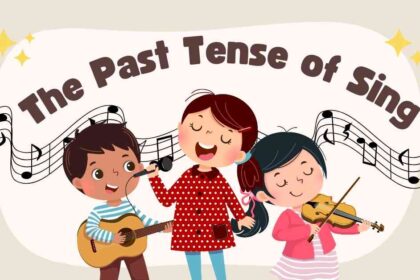
The verb “sing” is a common and fundamental part of the English language, used to describe the act of producing musical sounds with the voice. Like many verbs, “sing” has diffe...
Verb tenses serve as the chronological backbone of the English language, allowing speakers and writers to pinpoint exactly when an action or state of being occurs. In everyday communication, we rely o...
The past simple and present perfect tenses are two of the most fundamental yet frequently confused aspects of English grammar. While both relate to events in the past, they differ significantly in the...
Understanding how verbs change across tenses is fundamental to English grammar. The verb “creep,” referring to a slow, stealthy movement, has a past tense form that sometimes causes confus...
The simple future tense is a fundamental pillar of English grammar used to describe actions, states, or events that have not yet occurred but are expected to happen later. This versatile tense allows ...
Determining the correct past tense of irregular verbs, such as cost, can sometimes be confusing. Unlike regular verbs that simply add ‘-ed’ to form the past tense (e.g., walked, talked, ju...
The English language is famous for its intricate rules and occasionally confusing irregular verb forms that challenge even native speakers. When we look at the verb “to seek,” we encounter...
Understanding verb tenses is crucial for clear and effective communication. Verbs like “tell,” which means to communicate information to someone, have different forms to indicate when an a...
Understanding verb tenses is crucial for clear and accurate communication in English. When discussing victories or achievements in the past, it’s essential to know the correct past tense form of...