Adjectives of quantity are essential linguistic tools used to indicate the amount or estimated mass of a noun without providing a specific numerical count. These descriptive words, such as some, much,...

Demonstrative adjectives are essential linguistic tools used to identify or point out specific people, animals, or objects in relation to the speaker’s position in space and time. These versatil...
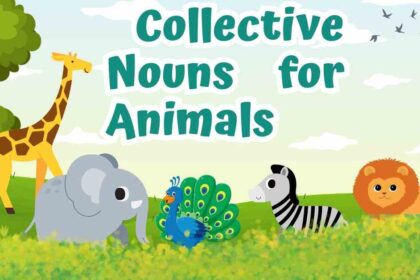
Collective nouns for animals are specialized terms used to describe groups of specific creatures, ranging from domestic pets to exotic wildlife. These unique linguistic markers, such as a pride of lio...
Adverbial phrases are essential components of English syntax that function as modifiers to provide deeper context regarding how, when, where, or why an action takes place. These multi-word expressions...

Verbs are the essential engines of the English language, serving as the core component of every complete sentence by expressing actions, occurrences, or states of being. These dynamic words allow us t...
Subordinating conjunctions are essential grammatical tools that connect a dependent clause to an independent clause, establishing a relationship of time, cause, contrast, or condition. These versatile...
Common nouns are the general names of people, places, things, or ideas, such as dog, city, table, and happiness. Unlike proper nouns, which refer to specific individuals or entities (e.g., “John...
Conjunctions are words that connect words, phrases, or clauses, creating more complex and coherent sentences. They act as bridges, linking elements of equal grammatical rank, such as “cats and d...

Personality adjectives are the descriptive tools we use to characterize the enduring psychological traits, behaviors, and moral qualities of individuals. These essential words, such as ambitious, comp...
Proper nouns are specific names for people, places, things, or ideas, distinguishing them from common nouns. Unlike common nouns that refer to general categories such as city, person, or company, prop...