Telugu kitchens run on green vegetables. Not occasionally — every single day. The rhythmic sound of a knife working through fresh spinach, the sharp smell of methi leaves hitting hot oil, the bright colour of ridge gourd being sliced thin for a quick curry — these are the sensory signatures of a Telugu household in full swing, and every one of those vegetables has a name worth knowing.
Andhra Pradesh and Telangana grow green vegetables in extraordinary quantities. The fertile black soils of Telangana, the alluvial Krishna-Godavari delta, and the irrigated farm belts of coastal Andhra supply fresh greens to markets across the country. Farmers here have been cultivating these vegetables for generations, and the Telugu names they use for them carry that agricultural knowledge in every syllable.
These are not textbook words. They are market words, kitchen words, words spoken between a mother and her daughter while cooking, between a farmer and his buyer at dawn. That is exactly what makes them worth learning.
What Makes This Vocabulary So Useful
Green vegetables show up in Telugu life with a frequency that few other vocabulary categories can match. Every meal, every market visit, every cooking conversation — they are there. A learner who knows these names is not just building vocabulary in the abstract; they are gaining immediate, practical access to the language of Telugu daily life in one of its most constant and essential forms.
Children who grow up hearing Telugu vegetable names in the kitchen absorb them without effort. A child who hears Palakura when spinach goes into the pot, or Kakarakaya when bitter gourd is being prepared, builds a vocabulary connection that no classroom exercise can replicate.
The smell, the sound of cooking, the visual of the vegetable itself — all of it becomes part of the word. That kind of embodied learning is the most durable kind there is.
- It gives learners immediate, practical vocabulary for markets, kitchens, and everyday Telugu conversation
- It connects children to the language through one of the most sensory and present subjects in daily life
- It supports Telugu medium school students across science, health, and general language subjects
- It builds a bridge between the learner and the agricultural communities that grow these vegetables across both states
- It keeps Telugu food vocabulary living and breathing across generations rather than fading into English substitutes
- It makes the language feel grounded, useful, and connected to the texture of real Telugu life
Explore Green Vegetable Names In Telugu

Cabbage
క్యాబేజీ
Syllable: క్యా-బే-జీ
Pronunciation: Cabbage
- Cabbage Head – క్యాబేజీ తల
- Cabbage Leaf – క్యాబేజీ ఆకు
- Green Vegetable – ఆకుపచ్చ కూరగాయ

Spinach
పాలకూర
Syllable: పా-ల-కూ-ర
Pronunciation: Palakoora
- Spinach Leaves – పాలకూర ఆకులు
- Leafy Vegetable – ఆకుకూర
- Green Leaves – ఆకుపచ్చ ఆకులు

Fenugreek
మెంతికూర
Syllable: మెం-తి-కూ-ర
Pronunciation: Menthikoora
- Fenugreek Leaves – మెంతికూర ఆకులు
- Herb Plant – ఔషధ మొక్క
- Green Vegetable – ఆకుపచ్చ కూరగాయ

Coriander
కొత్తిమీర
Syllable: కొ-త్తి-మీ-ర
Pronunciation: Kothimeera
- Coriander Leaves – కొత్తిమీర ఆకులు
- Herb Plant – ఔషధ మొక్క
- Garnish – అలంకరణ ఆకులు

Lettuce
లెట్యూస్
Syllable: లె-ట్యూస్
Pronunciation: Lettuce
- Lettuce Leaf – లెట్యూస్ ఆకు
- Salad Vegetable – సలాడ్ కూరగాయ
- Green Plant – ఆకుపచ్చ మొక్క

Mustard Greens
ఆవ కూర
Syllable: ఆ-వ-కూ-ర
Pronunciation: Aava Koora
- Mustard Leaves – ఆవ ఆకులు
- Leafy Green – ఆకుకూర
- Green Vegetable – ఆకుపచ్చ కూరగాయ
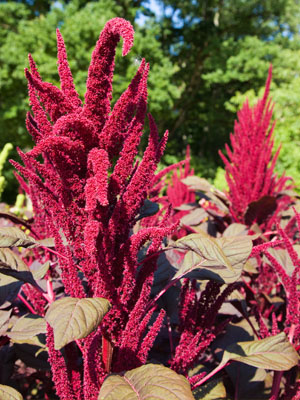
Amaranth
తోటకూర
Syllable: తో-ట-కూ-ర
Pronunciation: Thotakoora
- Amaranth Leaves – తోటకూర ఆకులు
- Leafy Vegetable – ఆకుకూర
- Green Plant – ఆకుపచ్చ మొక్క

Dill
సోవా కూర
Syllable: సో-వా-కూ-ర
Pronunciation: Sova Koora
- Dill Leaves – సోవా ఆకులు
- Herb Plant – ఔషధ మొక్క
- Green Herb – ఆకుపచ్చ మూలిక

Spring Onion
ఉల్లికాడలు
Syllable: ఉల్-లి-కా-డ-లు
Pronunciation: Ullikadalu
- Spring Onion – ఉల్లికాడలు
- Green Stalk – ఆకుపచ్చ కాడ
- Onion Plant – ఉల్లి మొక్క
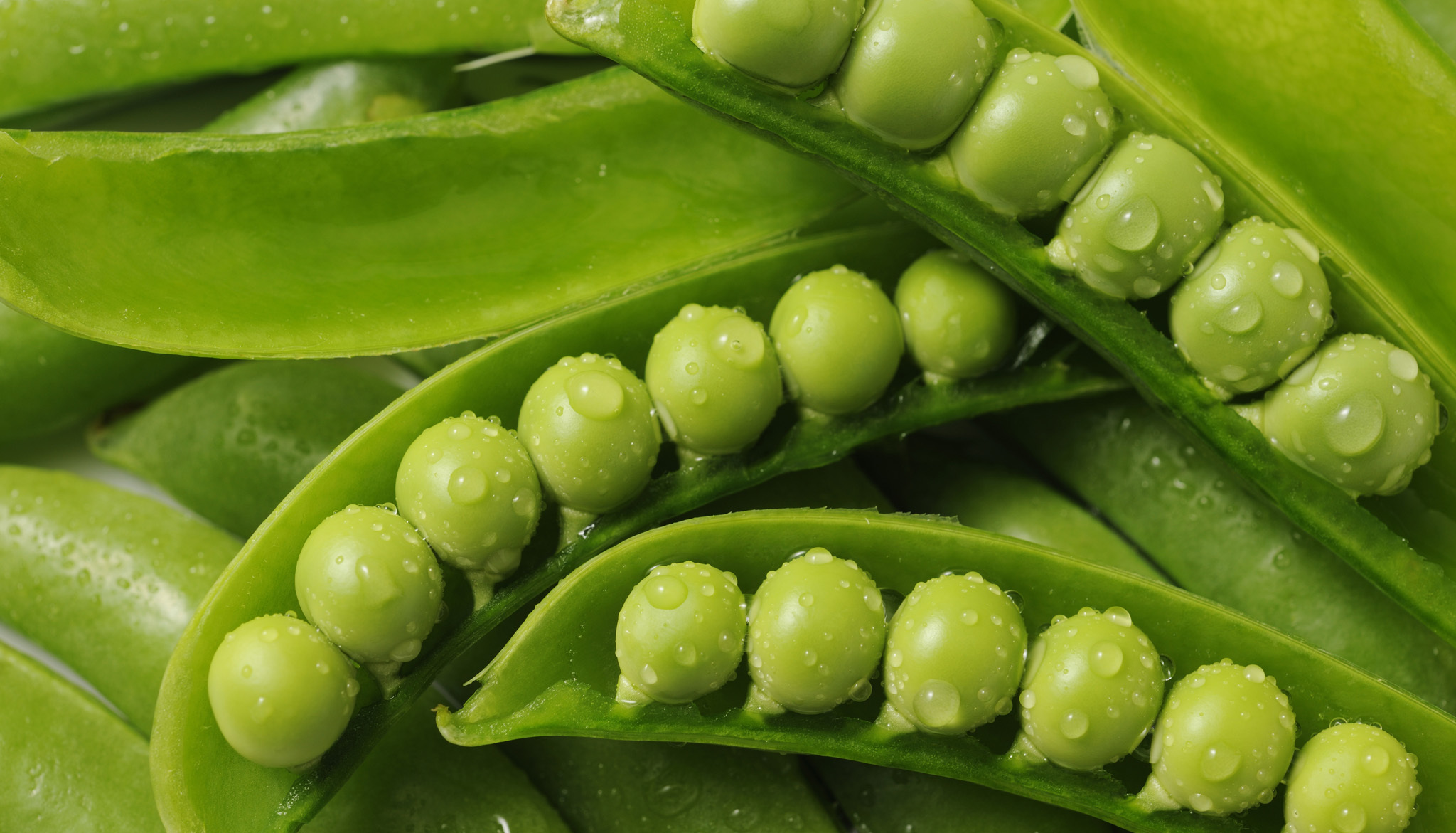
Green Peas
పచ్చి బఠానీలు
Syllable: పచ్-చి-బ-ఠా-నీ-లు
Pronunciation: Pachchi Bataneelu
- Green Peas Pod – బఠానీ కాయ
- Pea Plant – బఠానీ మొక్క
- Green Seeds – ఆకుపచ్చ గింజలు

Broccoli
బ్రోకలీ
Syllable: బ్రో-క-లీ
Pronunciation: Broccoli
- Broccoli Head – బ్రోకలీ తల
- Green Vegetable – ఆకుపచ్చ కూర
- Cauliflower Family – కాలీఫ్లవర్ కుటుంబం

Green Beans
బీన్స్
Syllable: బీ-న్స్
Pronunciation: Beans
- Bean Pod – బీన్స్ కాయ
- Green Vegetable – ఆకుపచ్చ కూర
- Bean Plant – బీన్స్ మొక్క

Bottle Gourd
సొరకాయ
Syllable: సొ-ర-కా-య
Pronunciation: Sorakaya
- Bottle Gourd – సొరకాయ
- Gourd Vine – తీగ మొక్క
- Green Vegetable – ఆకుపచ్చ కూరగాయ
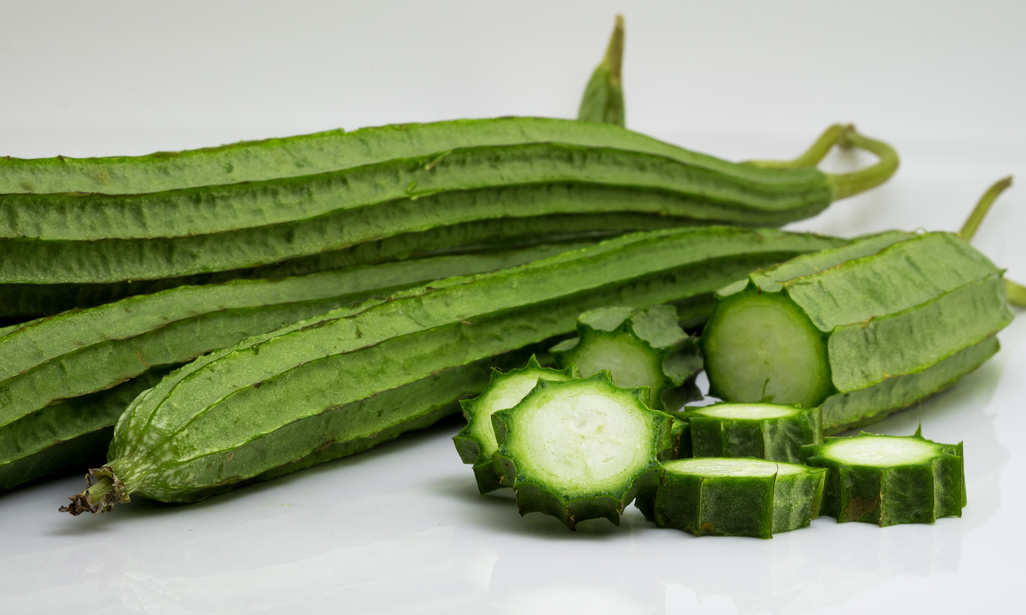
Ridge Gourd
బీరకాయ
Syllable: బీ-ర-కా-య
Pronunciation: Beerakaya
- Ridge Gourd – బీరకాయ
- Gourd Plant – తీగ మొక్క
- Green Vegetable – ఆకుపచ్చ కూరగాయ

Bitter Gourd
కాకరకాయ
Syllable: కా-క-ర-కా-య
Pronunciation: Kakarakaya
- Bitter Gourd – కాకరకాయ
- Gourd Vine – తీగ మొక్క
- Green Vegetable – ఆకుపచ్చ కూరగాయ

Snake Gourd
పొట్లకాయ
Syllable: పొ-ట్ల-కా-య
Pronunciation: Potlakaya
- Snake Gourd – పొట్లకాయ
- Long Vegetable – పొడవైన కూర
- Gourd Vine – తీగ మొక్క

Ivy Gourd
దొండకాయ
Syllable: దొం-డ-కా-య
Pronunciation: Dondakaya
- Ivy Gourd – దొండకాయ
- Green Vegetable – ఆకుపచ్చ కూర
- Vine Plant – తీగ మొక్క

Pumpkin
గుమ్మడికాయ
Syllable: గుమ్-మ-డి-కా-య
Pronunciation: Gummadikaya
- Pumpkin – గుమ్మడికాయ
- Pumpkin Vine – గుమ్మడి తీగ
- Vegetable Plant – కూరగాయ మొక్క

Cucumber
దోసకాయ
Syllable: దో-స-కా-య
Pronunciation: Dosakaya
- Cucumber – దోసకాయ
- Salad Vegetable – సలాడ్ కూర
- Vine Plant – తీగ మొక్క

Okra
బెండకాయ
Syllable: బెం-డ-కా-య
Pronunciation: Bendakaya
- Okra Pod – బెండకాయ
- Green Vegetable – ఆకుపచ్చ కూర
- Okra Plant – బెండ మొక్క

Eggplant
వంకాయ
Syllable: వం-కా-య
Pronunciation: Vankaya
- Eggplant – వంకాయ
- Vegetable Plant – కూరగాయ మొక్క
- Garden Vegetable – తోట కూర

Capsicum
క్యాప్సికమ్
Syllable: క్యాప్-సి-కం
Pronunciation: Capsicum
- Green Pepper – పచ్చి మిరపకాయ
- Bell Pepper – క్యాప్సికమ్
- Green Vegetable – ఆకుపచ్చ కూర
Green Chilli
పచ్చిమిర్చి
Syllable: పచ్-చి-మిర్-చి
Pronunciation: Pachchi Mirchi
- Green Chilli – పచ్చిమిర్చి
- Spicy Vegetable – కారం కూర
- Chilli Plant – మిర్చి మొక్క

Celery
సెలరీ
Syllable: సె-ల-రీ
Pronunciation: Celery
- Celery Stalk – సెలరీ కాడ
- Leafy Vegetable – ఆకుకూర
- Green Herb – ఆకుపచ్చ మూలిక

Kale
కేల్
Syllable: కేల్
Pronunciation: Kale
- Kale Leaves – కేల్ ఆకులు
- Leafy Green – ఆకుకూర
- Green Vegetable – ఆకుపచ్చ కూర

Zucchini
జుక్కిని
Syllable: జుక్-కి-ని
Pronunciation: Zucchini
- Zucchini Fruit – జుక్కిని
- Vegetable Plant – కూరగాయ మొక్క
- Green Vegetable – ఆకుపచ్చ కూర

Turnip
టర్నిప్
Syllable: టర్-నిప్
Pronunciation: Turnip
- Turnip Root – టర్నిప్ దుంప
- Turnip Leaves – టర్నిప్ ఆకులు
- Root Vegetable – దుంప కూర
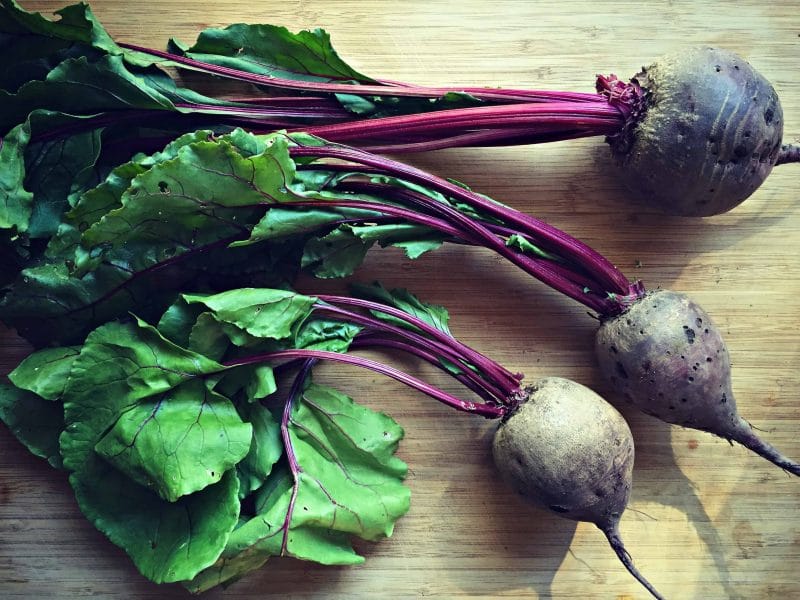
Beet Greens
బీట్ ఆకులు
Syllable: బీట్-ఆ-కు-లు
Pronunciation: Beet Greens
- Beet Leaves – బీట్ ఆకులు
- Leafy Green – ఆకుకూర
- Root Vegetable – దుంప కూర
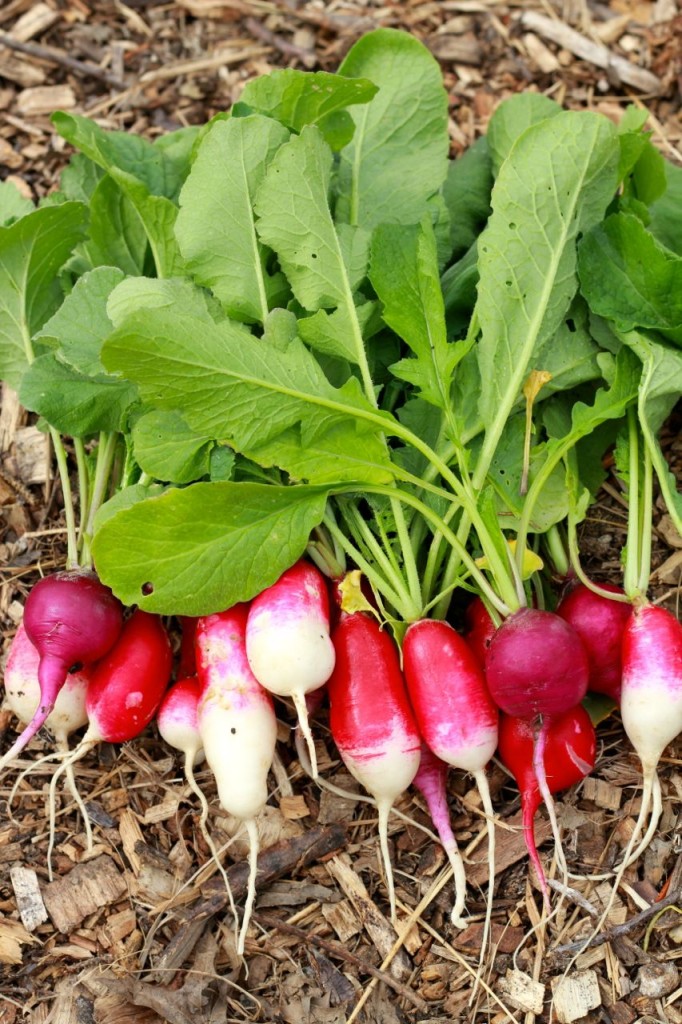
Radish Greens
ముల్లంగి ఆకులు
Syllable: ముల్-లం-గి-ఆ-కు-లు
Pronunciation: Radish Greens
- Radish Leaves – ముల్లంగి ఆకులు
- Leafy Green – ఆకుకూర
- Radish Plant – ముల్లంగి మొక్క

Moringa Leaves
మునగాకు
Syllable: ము-న-గా-కు
Pronunciation: Munagaku
- Moringa Leaves – మునగాకు
- Herbal Plant – ఔషధ మొక్క
- Green Leaves – ఆకుపచ్చ ఆకులు

Curry Leaves
కరివేపాకు
Syllable: క-రి-వే-పా-కు
Pronunciation: Karivepaku
- Curry Leaves – కరివేపాకు
- Herb Plant – ఔషధ మొక్క
- Aromatic Leaves – సువాసన ఆకులు

Mint
పుదీనా
Syllable: పు-దీ-నా
Pronunciation: Pudina
- Mint Leaves – పుదీనా ఆకులు
- Herb Plant – ఔషధ మొక్క
- Green Herb – ఆకుపచ్చ మూలిక

Taro Leaves
చామ ఆకులు
Syllable: చా-మ-ఆ-కు-లు
Pronunciation: Chama Aakulu
- Taro Leaf – చామ ఆకు
- Leafy Vegetable – ఆకుకూర
- Taro Plant – చామ మొక్క

Malabar Spinach
బచ్చలికూర
Syllable: బచ్-చ-లి-కూ-ర
Pronunciation: Bachchalikoora
- Malabar Spinach – బచ్చలికూర
- Leafy Vegetable – ఆకుకూర
- Green Vine – ఆకుపచ్చ తీగ

Cluster Beans
గోరుచిక్కుడు
Syllable: గో-రు-చిక్-కు-డు
Pronunciation: Goruchikkudu
- Cluster Beans – గోరుచిక్కుడు
- Bean Plant – బీన్ మొక్క
- Green Vegetable – ఆకుపచ్చ కూర

Green Garlic
పచ్చి వెల్లుల్లి
Syllable: పచ్-చి-వెల్-లు-ల్లి
Pronunciation: Pachchi Vellulli
- Green Garlic – పచ్చి వెల్లుల్లి
- Garlic Plant – వెల్లుల్లి మొక్క
- Herb Vegetable – మూలిక కూర

Green Banana
పచ్చి అరటికాయ
Syllable: పచ్-చి-అ-ర-టి-కా-య
Pronunciation: Pachchi Aratikaya
- Green Banana – పచ్చి అరటికాయ
- Banana Plant – అరటి మొక్క
- Raw Banana – కాచని అరటి

Chayote
సీమ బీరకాయ
Syllable: సీ-మ-బీ-ర-కా-య
Pronunciation: Seema Beerakaya
- Chayote – సీమ బీరకాయ
- Gourd Vine – తీగ మొక్క
- Green Vegetable – ఆకుపచ్చ కూర

Ash Gourd
బూడిద గుమ్మడికాయ
Syllable: బూ-డి-ద-గుమ్-మ-డి-కా-య
Pronunciation: Boodida Gummadikaya
- Ash Gourd – బూడిద గుమ్మడికాయ
- Gourd Plant – గుమ్మడి మొక్క
- Vegetable Vine – కూర తీగ

Pointed Gourd
పర్వల్
Syllable: పర్-వల్
Pronunciation: Parval
- Pointed Gourd – పర్వల్
- Gourd Vine – తీగ మొక్క
- Green Vegetable – ఆకుపచ్చ కూర
The Telugu Kitchen Knows Its Greens
Walk into any Telugu home at lunchtime and the smell tells the story immediately. Mustard seeds crackling in hot oil, curry leaves releasing their sharp fragrance, and the particular green smell of fresh vegetables hitting a hot pan — this is a kitchen that knows exactly what it is doing and has known for a very long time.
Green vegetables in Telugu cooking are not side dishes. They are the meal. A simple Palakura Pappu — spinach lentil dal — or a perfectly made Dondakaya Fry served with rice and yoghurt is the kind of food that Telugu families eat every day and never tire of. The vocabulary surrounding these dishes is therefore not occasional vocabulary — it is the daily language of Telugu nourishment and the knowledge of how to prepare it.
The agricultural communities of coastal Andhra and Telangana’s plateau districts have been growing these vegetables with extraordinary skill across generations. Farmers in Krishna, Guntur, and Warangal districts grow green vegetables for both local consumption and national markets, and the Telugu names they use for their crops are precise, specific, and tied to agricultural knowledge that goes far deeper than simple identification.
Knowing a vegetable’s Telugu name in these communities means knowing its growing season, its best preparation method, and its place in the cooking tradition that has shaped Telugu food culture for centuries.
Five Ways To Actually Remember These Words
- Cook with the name — The next time you make a dish with bitter gourd say Kakarakaya every time you handle it. Preparation, smell, taste, and the Telugu word all happening at once — that combination builds memory faster than any flashcard.
- Market practice — Telugu vegetable markets are one of the best free language classrooms available. Ask vendors for vegetables by their Telugu names. Even one successful exchange locks the word in place better than an hour of study.
- Pair with taste — Dondakaya tastes like nothing else. Beerakaya has its own specific texture. Menthi Koora has that unmistakable bitterness. Connect the word to the taste and the taste becomes the memory trigger forever.
- Label the fridge — Write Telugu vegetable names on small pieces of tape and stick them to the relevant vegetables before storing them. Every time someone opens the fridge the learning happens without any effort at all.
- Worksheet practice — Fill in Telugu names from pictures, match vegetables to their names, or write names from memory once a week. The writing action alone dramatically improves retention compared to reading the same list repeatedly.
Words That Taste Like Home
Green vegetables and their Telugu names are not the most glamorous corner of language learning. They will not come up in poetry or philosophy.
But they will come up every single day — at every market, at every meal, in every kitchen conversation — and that daily presence is what makes them among the most valuable words any Telugu learner can carry. Learn them well and the language starts to feel like somewhere you actually live.
Which Telugu green vegetable name surprised you — or which vegetable do you cook every week without knowing what it is actually called in Telugu? Tell us in the comments. We are genuinely curious.