The forests of Maharashtra are alive with creatures that have roamed these lands for thousands of years. From the silent stalk of a leopard through the Sahyadri hills to the trumpet of an elephant in Tadoba, wild animals are woven into the very soul of this region.
Maharashtra is home to some of India’s most celebrated wildlife sanctuaries. Tadoba-Andhari, Melghat, and Navegaon-Nagzira protect hundreds of species that Marathi communities have lived alongside for generations. These animals appear in local folklore, proverbs, and festival traditions across the state.
Learning wild animal names in Marathi connects you to that living world. Whether you are a student, a nature lover, or a parent raising curious kids, this vocabulary opens a window into Maharashtra’s forests, culture, and language all at once.
Why Learning Wild Animal Names In Marathi Is Important
Wild animals hold a deep place in Marathi language and culture. They appear in ancient folk songs, in the names of villages and rivers, in proverbs passed from grandparents to grandchildren, and in the stories told around fires in forest communities. When you learn wild animal names in Marathi, you are not just adding words to your vocabulary — you are connecting to a living cultural tradition that stretches back centuries.
For children, animal names are among the most exciting vocabulary to learn in any language. Kids are naturally drawn to wild creatures — their size, their power, their mystery. That natural curiosity becomes a powerful learning engine.
A child who learns that a tiger is called Vagh (वाघ) in Marathi, or that a lion is Sinh (सिंह), is far more likely to remember those words than any word from a grammar exercise. Animal vocabulary sticks because it sparks imagination.
- It builds strong Marathi vocabulary using subjects children are naturally excited about
- It connects language learning to Maharashtra’s rich wildlife and forest heritage
- It helps children understand Marathi folk stories, proverbs, and songs that reference animals
- It supports students in Marathi medium schools with practical, memorable vocabulary
- It encourages awareness and respect for wildlife alongside language learning
- It makes Marathi feel alive and relevant rather than limited to textbook exercises
Explore Wild Animals Names In Marathi

Lion
सिंह
Syllable: सिं-ह
Pronunciation: Singh
- Lion Eats Meat – सिंह मांस खातो
- Lion Runs Fast – सिंह वेगाने धावतो
- Lion Lives in Forest – सिंह जंगलात राहतो

Tiger
वाघ
Syllable: वा-घ
Pronunciation: Vaagh
- Tiger Eats Meat – वाघ मांस खातो
- Tiger Runs Fast – वाघ वेगाने धावतो
- Tiger Lives in Forest – वाघ जंगलात राहतो

Leopard
बिबट्या
Syllable: बि-ब-ट्या
Pronunciation: Bi-Batya
- Leopard Eats Meat – बिबट्या मांस खातो
- Leopard Climbs Trees – बिबट्या झाडावर चढतो
- Leopard Lives in Forest – बिबट्या जंगलात राहतो

Cheetah
चित्ता
Syllable: चि-त्ता
Pronunciation: Chit-Taa
- Cheetah Eats Meat – चित्ता मांस खातो
- Cheetah Runs Fast – चित्ता वेगाने धावतो
- Cheetah Lives in Grassland – चित्ता गवताळ प्रदेशात राहतो

Elephant
हत्ती
Syllable: ह-त्ती
Pronunciation: Hat-Tee
- Elephant Eats Grass and Leaves – हत्ती गवत व पाने खातो
- Elephant Walks – हत्ती चालतो
- Elephant Lives in Forest – हत्ती जंगलात राहतो

Rhinoceros
गेंडा
Syllable: गे-ंडा
Pronunciation: Gen-Daa
- Rhinoceros Eats Grass – गेंडा गवत खातो
- Rhinoceros Walks – गेंडा चालतो
- Rhinoceros Lives in Grassland – गेंडा गवताळ प्रदेशात राहतो

Hippopotamus
जलहस्ती
Syllable: ज-ल-ह-स्ती
Pronunciation: Jal-Hasti
- Hippopotamus Eats Grass – जलहस्ती गवत खातो
- Hippopotamus Swims – जलहस्ती पोहतो
- Hippopotamus Lives in River – जलहस्ती नदीत राहतो

Bear
अस्वल
Syllable: अ-स्व-ल
Pronunciation: Asval
- Bear Eats Fruits and Fish – अस्वल फळे व मासे खाते
- Bear Walks – अस्वल चालते
- Bear Lives in Forest – अस्वल जंगलात राहते

Wolf
लांडगा
Syllable: ला-ंड-गा
Pronunciation: Laan-Da-Gaa
- Wolf Eats Meat – लांडगा मांस खातो
- Wolf Runs – लांडगा धावतो
- Wolf Lives in Forest – लांडगा जंगलात राहतो

Fox
कोल्हा
Syllable: को-ल्हा
Pronunciation: Kol-Haa
- Fox Eats Small Animals – कोल्हा लहान प्राणी खातो
- Fox Runs – कोल्हा धावतो
- Fox Lives in Forest – कोल्हा जंगलात राहतो

Hyena
तरस
Syllable: त-र-स
Pronunciation: Taras
- Hyena Eats Meat – तरस मांस खातो
- Hyena Runs – तरस धावतो
- Hyena Lives in Grassland – तरस गवताळ प्रदेशात राहतो

Jackal
कोल्हेकुई
Syllable: को-ल्हे-कु-ई
Pronunciation: Kolhekui
- Jackal Eats Small Animals – कोल्हेकुई लहान प्राणी खाते
- Jackal Runs – कोल्हेकुई धावते
- Jackal Lives in Forest – कोल्हेकुई जंगलात राहते

Deer
हरिण
Syllable: ह-रि-ण
Pronunciation: Harin
- Deer Eats Grass – हरिण गवत खाते
- Deer Runs Fast – हरिण वेगाने धावते
- Deer Lives in Forest – हरिण जंगलात राहते

Blackbuck
काळवीट
Syllable: का-ळ-वी-ट
Pronunciation: Kaal-Vit
- Blackbuck Eats Grass – काळवीट गवत खाते
- Blackbuck Runs Fast – काळवीट वेगाने धावते
- Blackbuck Lives in Grassland – काळवीट गवताळ प्रदेशात राहते
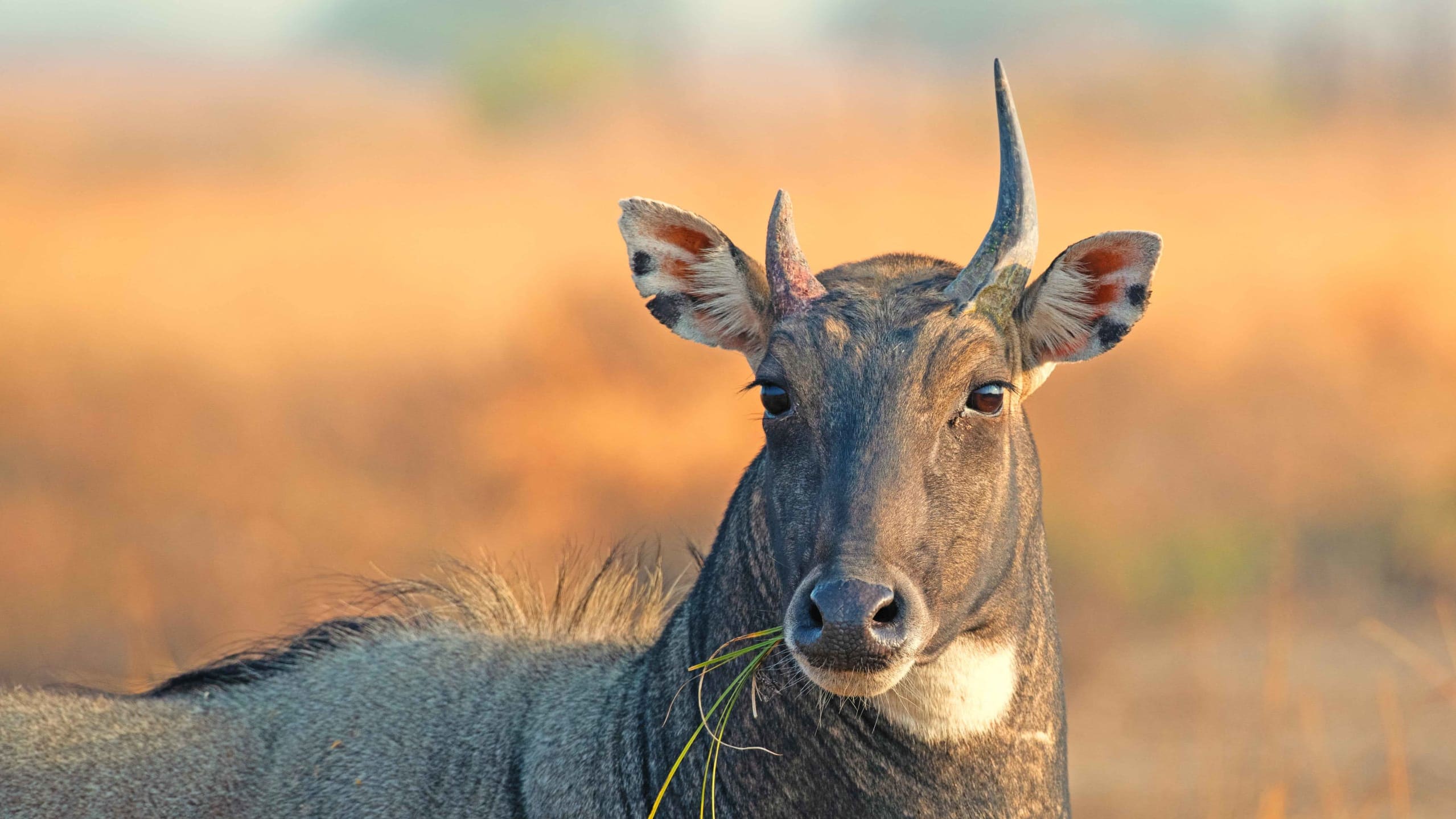
Nilgai
नीलगाय
Syllable: नी-ल-गा-य
Pronunciation: Neel-Gaay
- Nilgai Eats Leaves – नीलगाय पाने खाते
- Nilgai Walks – नीलगाय चालते
- Nilgai Lives in Grassland – नीलगाय गवताळ प्रदेशात राहते

Wild Boar
रानडुक्कर
Syllable: रा-न-डु-क्क-र
Pronunciation: Ran-Dukkar
- Wild Boar Eats Roots and Fruits – रानडुक्कर मुळे व फळे खातो
- Wild Boar Runs – रानडुक्कर धावतो
- Wild Boar Lives in Forest – रानडुक्कर जंगलात राहतो

Monkey
माकड
Syllable: मा-क-ड
Pronunciation: Maa-Kad
- Monkey Eats Fruits – माकड फळे खाते
- Monkey Climbs Trees – माकड झाडावर चढते
- Monkey Lives in Forest – माकड जंगलात राहते

Langur
लंगूर
Syllable: लं-गूर
Pronunciation: Langoor
- Langur Eats Leaves – लंगूर पाने खातो
- Langur Jumps – लंगूर उड्या मारतो
- Langur Lives on Trees – लंगूर झाडांवर राहतो

Gorilla
गोरिला
Syllable: गो-रि-ला
Pronunciation: Gorilla
- Gorilla Eats Leaves and Fruits – गोरिला पाने व फळे खातो
- Gorilla Walks – गोरिला चालतो
- Gorilla Lives in Forest – गोरिला जंगलात राहतो

Chimpanzee
चिंपांझी
Syllable: चिं-पां-झी
Pronunciation: Chimpanzee
- Chimpanzee Eats Fruits – चिंपांझी फळे खाते
- Chimpanzee Climbs Trees – चिंपांझी झाडावर चढते
- Chimpanzee Lives in Forest – चिंपांझी जंगलात राहते

Giraffe
जिराफ
Syllable: जि-रा-फ
Pronunciation: Jiraaf
- Giraffe Eats Leaves – जिराफ पाने खातो
- Giraffe Walks – जिराफ चालतो
- Giraffe Lives in Savanna – जिराफ सवाना प्रदेशात राहतो

Zebra
झेब्रा
Syllable: झे-ब्रा
Pronunciation: Zebra
- Zebra Eats Grass – झेब्रा गवत खातो
- Zebra Runs – झेब्रा धावतो
- Zebra Lives in Grassland – झेब्रा गवताळ प्रदेशात राहतो
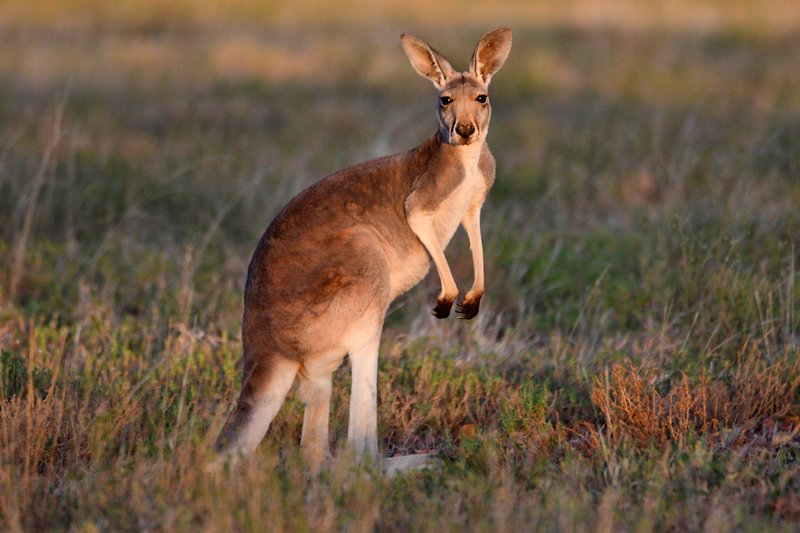
Kangaroo
कांगारू
Syllable: कां-गा-रू
Pronunciation: Kangaroo
- Kangaroo Eats Grass – कांगारू गवत खातो
- Kangaroo Jumps – कांगारू उड्या मारतो
- Kangaroo Lives in Australia – कांगारू ऑस्ट्रेलियात राहतो

Panda
पांडा
Syllable: पां-डा
Pronunciation: Panda
- Panda Eats Bamboo – पांडा बांबू खातो
- Panda Walks – पांडा चालतो
- Panda Lives in Forest – पांडा जंगलात राहतो

Koala
कोआला
Syllable: को-आ-ला
Pronunciation: Koala
- Koala Eats Eucalyptus Leaves – कोआला निलगिरीची पाने खातो
- Koala Climbs Trees – कोआला झाडावर चढतो
- Koala Lives in Australia – कोआला ऑस्ट्रेलियात राहतो

Bison
गवा
Syllable: ग-वा
Pronunciation: Gava
- Bison Eats Grass – गवा गवत खातो
- Bison Walks – गवा चालतो
- Bison Lives in Grassland – गवा गवताळ प्रदेशात राहतो

Wild Buffalo
रानम्हैस
Syllable: रा-न-म्है-स
Pronunciation: Ran-Mhais
- Wild Buffalo Eats Grass – रानम्हैस गवत खाते
- Wild Buffalo Walks – रानम्हैस चालते
- Wild Buffalo Lives in Forest – रानम्हैस जंगलात राहते

Porcupine
साळींदर
Syllable: सा-ळीं-दर
Pronunciation: Saalindar
- Porcupine Eats Roots – साळींदर मुळे खातो
- Porcupine Walks – साळींदर चालतो
- Porcupine Lives in Forest – साळींदर जंगलात राहतो

Hare
रानससा
Syllable: रा-न-स-सा
Pronunciation: Ran-Sasa
- Hare Eats Grass – रानससा गवत खातो
- Hare Runs Fast – रानससा वेगाने धावतो
- Hare Lives in Grassland – रानससा गवताळ प्रदेशात राहतो

Otter
ऊद
Syllable: ऊ-द
Pronunciation: Ood
- Otter Eats Fish – ऊद मासे खातो
- Otter Swims – ऊद पोहतो
- Otter Lives in River – ऊद नदीत राहतो

Mongoose
मुंगूस
Syllable: मुं-गूस
Pronunciation: Mungoos
- Mongoose Eats Snakes – मुंगूस साप खातो
- Mongoose Runs – मुंगूस धावतो
- Mongoose Lives in Forest – मुंगूस जंगलात राहतो

Squirrel
खार
Syllable: खा-र
Pronunciation: Khaar
- Squirrel Eats Nuts – खार सुकामेवा खाते
- Squirrel Climbs Trees – खार झाडावर चढते
- Squirrel Lives on Trees – खार झाडांवर राहते
Bat
वटवाघूळ
Syllable: व-ट-वा-घू-ळ
Pronunciation: Vatvaghool
- Bat Eats Fruits and Insects – वटवाघूळ फळे व कीटक खाते
- Bat Flies – वटवाघूळ उडते
- Bat Lives in Caves – वटवाघूळ गुहेत राहते

Armadillo
आर्माडिलो
Syllable: आर्-मा-डि-लो
Pronunciation: Armadillo
- Armadillo Eats Insects – आर्माडिलो कीटक खातो
- Armadillo Digs – आर्माडिलो खणतो
- Armadillo Lives in Grassland – आर्माडिलो गवताळ प्रदेशात राहतो

Meerkat
मीरकॅट
Syllable: मी-र-कॅट
Pronunciation: Meerkat
- Meerkat Eats Insects – मीरकॅट कीटक खातो
- Meerkat Walks – मीरकॅट चालतो
- Meerkat Lives in Desert – मीरकॅट वाळवंटात राहतो

Wolverine
वूल्वरिन
Syllable: वू-ल्व-रिन
Pronunciation: Wolverine
- Wolverine Eats Meat – वूल्वरिन मांस खातो
- Wolverine Runs – वूल्वरिन धावतो
- Wolverine Lives in Cold Forest – वूल्वरिन थंड जंगलात राहतो

Lemur
लीमर
Syllable: ली-मर
Pronunciation: Leemar
- Lemur Eats Fruits – लीमर फळे खातो
- Lemur Jumps – लीमर उड्या मारतो
- Lemur Lives on Trees – लीमर झाडांवर राहतो

Tapir
टॅपीर
Syllable: टॅ-पीर
Pronunciation: Tapir
- Tapir Eats Leaves – टॅपीर पाने खातो
- Tapir Walks – टॅपीर चालतो
- Tapir Lives in Forest – टॅपीर जंगलात राहतो

Sloth
स्लॉथ
Syllable: स्लॉ-थ
Pronunciation: Sloth
- Sloth Eats Leaves – स्लॉथ पाने खातो
- Sloth Climbs Trees – स्लॉथ झाडावर चढतो
- Sloth Lives in Rainforest – स्लॉथ वर्षावनात राहतो

Jaguar
जॅग्वार
Syllable: जॅ-ग्वार
Pronunciation: Jaguar
- Jaguar Eats Meat – जॅग्वार मांस खातो
- Jaguar Runs Fast – जॅग्वार वेगाने धावतो
- Jaguar Lives in Rainforest – जॅग्वार वर्षावनात राहतो
Wild Animals In Marathi Culture And Folklore
Wild animals have never been strangers to Marathi life — they live not just in forests but in the language itself. Maharashtra’s folk literature, tribal traditions, and rural proverbs are full of wild animal references that reveal how closely these communities have observed and respected the natural world around them.
The tiger, Vagh, holds an almost mythological status in Marathi culture. Waghoba, the tiger deity, is worshipped by several tribal communities across Maharashtra and the Western Ghats. Shrines to Waghoba can be found at forest edges, and the deity is believed to protect both livestock and humans from harm. The name Vagh appears in dozens of Marathi surnames, place names, and proverbs — it is a word that carries power and reverence far beyond its dictionary meaning.
The jackal, Kolha, plays a very different cultural role. In Marathi folk tales, the kolha is the classic trickster — clever, opportunistic, and always one step ahead. These stories have been told to children for generations and carry moral lessons about intelligence, survival, and the consequences of greed. Similarly, the bear, Aswal, and the wolf, Landra, appear regularly in Marathi rural proverbs as symbols of unpredictability and raw nature.
Learning wild animal names with this cultural layer makes the vocabulary memorable in a completely different way. A word connected to a story, a deity, or a proverb stays in the mind far longer than a word learned from a plain list.
Wild Animals In Marathi Quiz
Practice Marathi wild animal vocabulary with this interactive multiple-choice quiz. Choose the correct Marathi answer for each English animal name and click the submit button to check your answers instantly. Correct answers turn green while incorrect answers become red.
Easy Tips To Remember Marathi Wild Animal Names
- Connect names to famous places — Link Vagh to Tadoba, Aswal to Melghat. Pairing the Marathi name with a real wildlife sanctuary creates a mental anchor that is hard to forget.
- Use wildlife documentaries — Watch Marathi nature programmes or forest documentaries with your child. Every time an animal appears on screen, say its Marathi name out loud together.
- Make animal flashcards with drawings — Draw or print each wild animal and write its Marathi name below. Children who colour or draw the animal while saying the name retain it far better.
- Tell folk stories using Marathi names — When you tell a story about a jackal, use the word Kolha throughout. Narrative context is one of the most powerful memory tools available.
- Practice with a worksheet — Fill in Marathi names from pictures, match English names to Marathi, or unscramble letters to form the correct word. Hands-on worksheet practice builds recall faster than any amount of passive reading.
Remember again the names list…
| # | English Name | Marathi Name | Pronunciation |
|---|---|---|---|
| 1 | Lion | सिंह | Sinh |
| 2 | Tiger | वाघ | Vagh |
| 3 | Elephant | हत्ती | Hatti |
| 4 | Bear | अस्वल | Aswal |
| 5 | Wolf | लांडगा | Landaga |
| 6 | Fox | कोल्हा | Kolha |
| 7 | Deer | हरिण | Harin |
| 8 | Monkey | माकड | Makad |
| 9 | Giraffe | जिराफ | Jiraf |
| 10 | Zebra | झेब्रा | Zebra |
| 11 | Leopard | बिबट्या | Bibatya |
| 12 | Cheetah | चित्ता | Chitta |
| 13 | Rhinoceros | गेंडा | Genda |
| 14 | Hippopotamus | जलहस्ती | Jalahasti |
| 15 | Crocodile | मगर | Magar |
| 16 | Hyena | तरस | Taras |
| 17 | Jackal | कोयोटा | Koyota |
| 18 | Wild Boar | रानडुक्कर | Randukkar |
| 19 | Bison | गवा | Gava |
| 20 | Antelope | काळवीट | Kalvit |
| 21 | Kangaroo | कांगारू | Kangaroo |
| 22 | Panda | पांडा | Panda |
| 23 | Koala | कोआला | Koala |
| 24 | Chimpanzee | चिंपांझी | Chimpanzi |
| 25 | Gorilla | गोरिला | Gorilla |
| 26 | Camel | उंट | Unt |
| 27 | Otter | उदमांजर | Udmanjar |
| 28 | Porcupine | साळींदर | Salindar |
| 29 | Mongoose | मुंगूस | Mungus |
| 30 | Squirrel | खार | Khar |
| 31 | Bat | वटवाघूळ | Vatvaghul |
| 32 | Wild Cat | रानमांजर | Ranmanjar |
| 33 | Lynx | लिंक्स | Lynx |
| 34 | Arctic Fox | आर्क्टिक कोल्हा | Arctic Kolha |
| 35 | Polar Bear | ध्रुवीय अस्वल | Dhruviya Aswal |
| 36 | Jaguar | जॅग्वार | Jaguar |
| 37 | Sloth | स्लॉथ | Sloth |
| 38 | Tapir | टॅपिर | Tapir |
| 39 | Wolverine | वूल्वरिन | Wolverine |
| 40 | Meerkat | मीरकॅट | Meerkat |
The Forest Speaks Marathi — Are You Listening?
Maharashtra’s wild animals are not just creatures of the forest — they are characters in the state’s oldest stories, guardians in its deepest traditions, and words in its most beautiful language. Learning their Marathi names is a small act that connects you to something much larger than a vocabulary list.
Which wild animal name in Marathi surprised you the most — or which one do you think your kids would love to learn first? Share it in the comments below, we would love to hear your thoughts!